
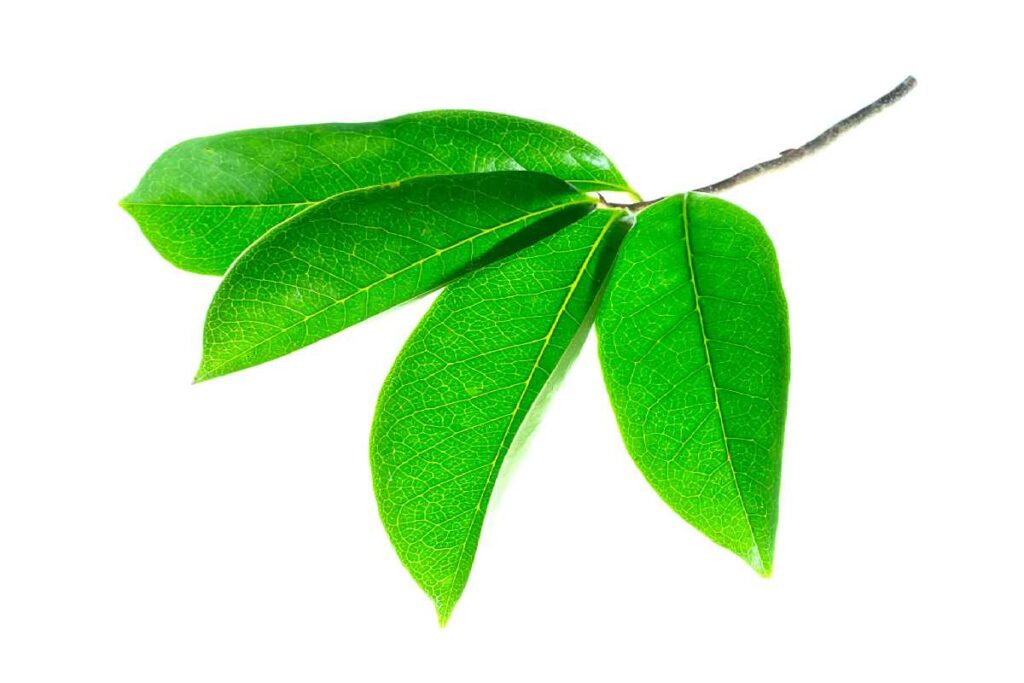
Introduction
Soursop leaves offer several potential health benefits rooted in traditional medicine, but their real value lies in understanding which benefits are plausible, which are overstated, and how to use them safely.
Many people search for soursop leaves hoping for a natural cure—especially for immunity, inflammation, or even cancer. Unfortunately, online sources often mix folklore, lab studies, and exaggerated claims. This guide separates tradition from evidence and explains what soursop leaves can—and cannot—do.
Short answer:
Soursop leaves may support general wellness when used occasionally, but they are not a medical treatment and should never replace professional care.
Key Takeaways
-
Soursop leaves are commonly consumed as herbal tea.
-
Most benefits come from traditional use and early research.
-
Cancer claims are widely exaggerated and misleading.
-
Long-term or excessive use may pose neurological risks.
-
Not recommended during pregnancy or daily use.
-
Best used as a complementary wellness herb.
What Are Soursop Leaves?
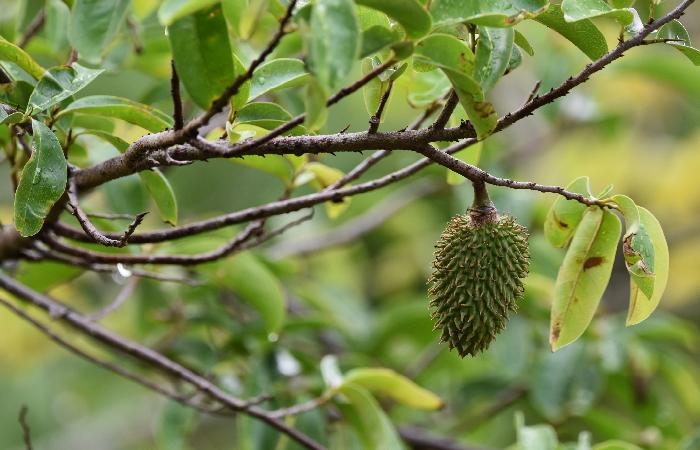
Soursop leaves come from the Annona muricata tree, native to tropical regions such as the Caribbean, Central America, Africa, and Southeast Asia.
While the fruit is edible, the leaves are used medicinally, typically dried and brewed into tea. They contain natural compounds called acetogenins, flavonoids, and alkaloids—responsible for both potential benefits and risks.
How Soursop Leaves Are Traditionally Used
Across traditional medicine systems, soursop leaves are used to:
-
Promote relaxation and sleep
-
Reduce pain and inflammation
-
Support digestion
-
Aid general wellness
Preparation is usually simple: boiling a small number of leaves in water. Importantly, traditional use emphasizes moderation, not daily consumption.
15 Health Benefits of Soursop Leaves (Explained Honestly)
1. Supports Immune Function
Antioxidants in the leaves may help the body manage oxidative stress.
2. May Reduce Inflammation
Animal studies suggest anti-inflammatory effects, though human evidence is limited.
3. Traditionally Used for Pain Relief
Often consumed to ease mild joint or muscle discomfort.
4. Helps Promote Better Sleep
Traditionally valued for its calming properties.
5. May Support Digestive Comfort
Used to relieve bloating or mild stomach upset.
6. Traditionally Used for Blood Sugar Balance
Animal research suggests glucose-regulating effects, not a diabetes cure.
7. May Support Liver Health
Observed in animal studies only.
8. Antioxidant Properties
Helps neutralize free radicals.
9. Antimicrobial Activity
Lab studies show effects against some bacteria and fungi.
10. May Reduce Mild Anxiety
Likely due to sedative-like compounds.
11. Traditionally Used to Reduce Fever
Common in folk medicine practices.
12. May Support Heart Health Indirectly
By reducing inflammation and stress.
13. Skin-Soothing When Applied Topically
Used for rashes and minor irritation.
14. Appetite and Digestive Regulation
May gently stimulate digestion.
15. General Wellness Support
Best viewed as a supportive herbal remedy, not treatment.
The Truth About Soursop Leaves and Cancer
This is the most misunderstood topic.
Some laboratory studies show soursop compounds affecting cancer cells in test tubes. However, this does not translate to human cancer treatment.
According to the National Cancer Institute, there is no clinical evidence supporting soursop as a cancer cure. Using it as an alternative to medical treatment can be dangerous.
How to Use Soursop Leaves Safely
Traditional tea method:
-
1–2 dried leaves
-
Boil in water for 10–15 minutes
-
Drink occasionally (not daily)
Avoid concentrated extracts unless advised by a healthcare professional.
Risks, Side Effects, and Who Should Avoid Them
Research cited by the National Institutes of Health raises concerns about:
-
Potential nerve toxicity with long-term use
-
Possible interactions with blood pressure or neurological medications
Avoid soursop leaves if you are:
-
Pregnant or breastfeeding
-
Managing Parkinson’s disease
-
Taking neurological or blood-pressure medication
Soursop Leaves vs Other Herbal Teas
| Herbal Tea | Primary Benefit | Safety |
|---|---|---|
| Soursop Leaf | Short-term wellness | Moderate caution |
| Chamomile | Sleep & digestion | Very safe |
| Green Tea | Antioxidants | Daily safe |
Final Verdict: Are Soursop Leaves Worth Using?
Yes—but only with realistic expectations.
Soursop leaves can support relaxation, digestion, and general wellness when used occasionally. They are not miracle cures, and misuse can be harmful. Respect traditional moderation and modern medical guidance.
FAQs – Quick Answers
Are soursop leaves safe for daily use?
No. Long-term daily use may increase neurological risk.
Do soursop leaves cure cancer?
No. There is no human evidence supporting cancer treatment.
Can I drink soursop leaf tea at night?
Yes, occasionally, due to its calming effects.
Is soursop leaf tea safe during pregnancy?
No. It is not recommended.
Are supplements safer than tea?
No. Supplements are more concentrated and riskier.