Is Tech Really Redefining Beauty?
The beauty world isn’t what it used to be. Between smart mirrors, AI skin scans, and virtual makeup try-ons, the tech beauty industry is quietly rewriting every step of how we take care of ourselves.
If you’ve ever used a skincare app that recommends products based on your selfies or seen influencers using AR filters to “test” lipstick shades, you’ve already dipped your toes into the tech beauty universe.
The worry many people have? “Is this tech stuff replacing real expertise?” “Can it be trusted?” “Is it still about real humans, or just algorithms?”
Totally valid questions. But here’s the thing — tech isn’t replacing beauty experts. It’s making their insights more accessible and data-driven. The tools are upgrading human intuition, not killing it.
What’s Actually Out There Right Now
Those AI Skin Scanner Things
I downloaded one of these apps last month because my skin was acting weird and I couldn’t figure out why. You basically take a selfie, and it shows you what’s happening with your pores, any dark spots you missed, fine lines you didn’t know existed—all that fun stuff.
Does it replace an actual dermatologist? Absolutely not. But it’s useful for tracking what’s going on week to week. Mine showed me that my moisture barrier was totally wrecked (explains the flaking), and I wouldn’t have caught that just looking in the mirror.
The apps use some kind of machine learning to spot patterns. They’re not perfect—I’ve definitely gotten some weird recommendations—but they’re getting better. My friend uses one that’s scary accurate at predicting when she’s about to break out based on her cycle and stress levels.
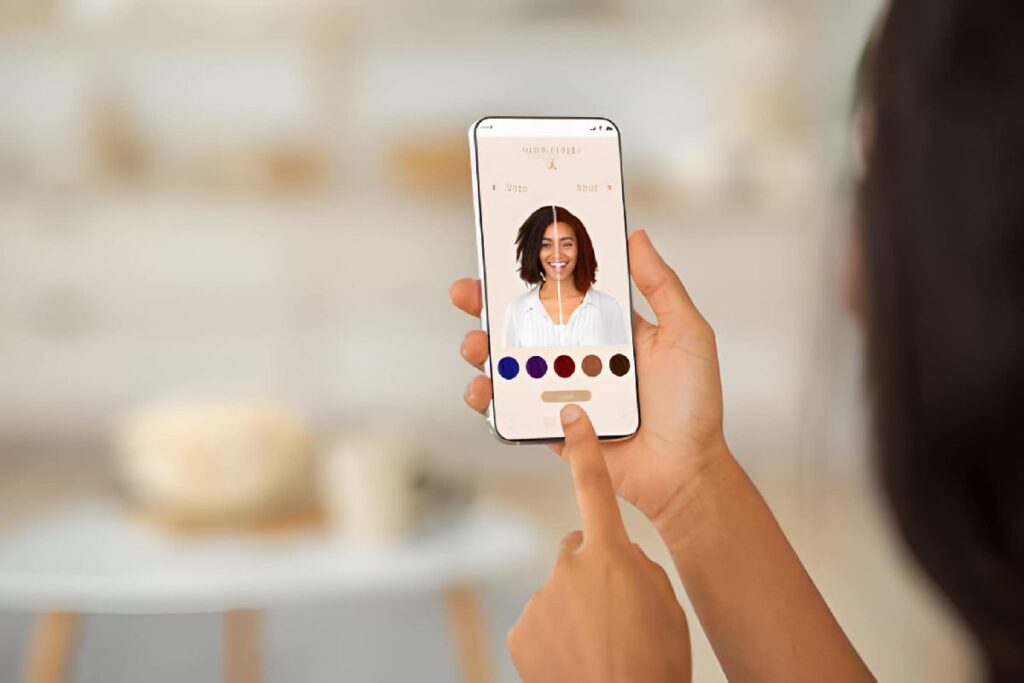
Virtual Makeup Try-Ons That Don’t Suck
Remember those early AR makeup filters that made everyone look like a cartoon? Yeah, we’ve come a long way.
The good ones now actually account for your lighting, undertones, even how cream versus powder products would sit differently on your skin. I used one to test about thirty red lipsticks before my cousin’s wedding and saved myself so much time (and money).
Some let you try entire looks from YouTube tutorials or save combinations to show your hairdresser. One app I use has this feature where you can see how makeup will look after 4 hours of wear. That’s the kind of thing that actually changes how you shop.
Smart Devices (Some Are Worth It, Most Aren’t)
Full disclosure: I’ve wasted money on three different “smart” beauty gadgets that did absolutely nothing. But the ones that work? They really work.
LED masks for acne and anti-aging. Cleansing brushes that tell you when you’re scrubbing too hard. Little devices that use electrical currents to make your face look more lifted. Even mirrors that zoom in on problem areas and track changes over time.
I finally bought a cleansing device that connects to my phone after my sister wouldn’t shut up about hers. It buzzes when I’ve cleaned each area long enough and keeps track of when I need a new brush head. Sounds gimmicky, but my skin’s clearer than it’s been in years. Sometimes the simple stuff makes the biggest difference.
The Personalization Thing Is Real
This is where the tech beauty industry actually delivers on its promises instead of just hyping stuff up.
For most of beauty history, brands made products and we all just hoped something would work for us. Cool if you had “normal” skin (whatever that means), not so cool if you didn’t fit the mold.
Now there are services that’ll create custom formulas based on:
- Detailed quizzes about your skin, lifestyle, and environment
- DNA tests (yes, really)
- Photos analyzed by dermatologists
- Weather patterns where you live
- What’s actually in your medicine cabinet already
I tried a custom skincare thing last year. They asked about my job stress, my city’s humidity, what time I go to bed, whether I exercise—everything. The products they sent weren’t miracle workers, but they were the first serums that didn’t either do nothing or make me break out. That’s honestly all I wanted.
Is it necessary? Probably not. Could you figure this out yourself with enough trial and error? Sure. But if you’re tired of wasting money on products that don’t work, spending a bit more upfront for something personalized might actually save you cash long-term.
Online Shopping Got Way Less Risky
Buying makeup online used to feel like playing Russian roulette with your credit card. You’d read 200 reviews, stare at swatches on different monitors, and still end up with the wrong shade half the time.
The tech beauty industry fixed a lot of that mess.
Now there are algorithms that actually understand what you’re looking for. Virtual consultations where real people help you shop through video chat. Apps that analyze your skin through your phone camera and recommend shades that’ll work.
My favorite is this feature some sites have where you can see products on people with your same skin type, tone, and concerns. Not models. Not influencers with perfect skin. Just regular people who bought the thing and uploaded photos.
Returns are way down because people aren’t guessing anymore. Better for the planet, better for your wallet, better for your sanity.
Surprising Plot Twist: It’s Kind of Helping the Environment
I know this sounds backwards. More tech usually means more waste, right?
But think about it. When you can try on makeup virtually, you’re not getting six samples sent to your house that you’ll use once and toss. When products are made-to-order based on what you actually need, there’s less overproduction sitting in warehouses. When apps track expiration dates, you actually use stuff before buying more.
Some brands are using AI to develop ingredients that are more sustainable or figure out packaging that breaks down faster. It’s not solving climate change or anything, but it’s better than the old way of doing things.
The Stuff Nobody Wants to Talk About
Look, I’m not going to pretend this is all sunshine and perfectly contoured selfies. There’s some sketchy stuff happening too.
These apps want your photos, your data, details about your skin and health and shopping habits. Where’s that going? Who’s selling it? Most people (including me, honestly) just click “agree” without reading the privacy policy. That’s probably not smart.
Not everyone can afford this stuff either. A lot of the coolest tech costs serious money. That means the people who could benefit most from better product recommendations might not be able to access them.
And the algorithms? They’re only as good as the data they’re trained on. I’ve seen skin analysis tools completely fail on darker skin tones because whoever built them didn’t bother testing properly. That’s not just annoying—it’s actively harmful.
Plus there’s something weird about relying on an app to tell you what’s wrong with your face. Sometimes we need to just trust ourselves instead of what some algorithm thinks.
How to Actually Navigate This Without Losing Your Mind
Don’t try everything at once. Pick one thing that addresses your biggest problem. Test it out. If it works, great. If not, move on.
Read reviews from actual humans, not just the sponsored ones. Look for people with your skin type and concerns. Check Reddit threads where people are brutally honest.
Be paranoid about your data. Turn off permissions you don’t need. Don’t upload photos to sketchy apps. Actually read the privacy policy if you can stomach it.
Remember that your gut knows things algorithms don’t. If something feels wrong or isn’t working, you don’t need an app to confirm that. Just stop using it.
Keep learning. This whole space changes every few months. What’s cutting-edge today might be outdated by summer.
Real Talk: What This Means for Us
At the end of the day, the tech beauty industry isn’t about replacing your favorite serum or makeup artist. It’s about giving you more control, clarity, and connection to your own self-care.
For creators, marketers, and everyday users, it’s a space full of opportunity — from content partnerships to product innovation to data-backed storytelling.
It’s proof that when technology gets personal, beauty gets smarter — and a little more human