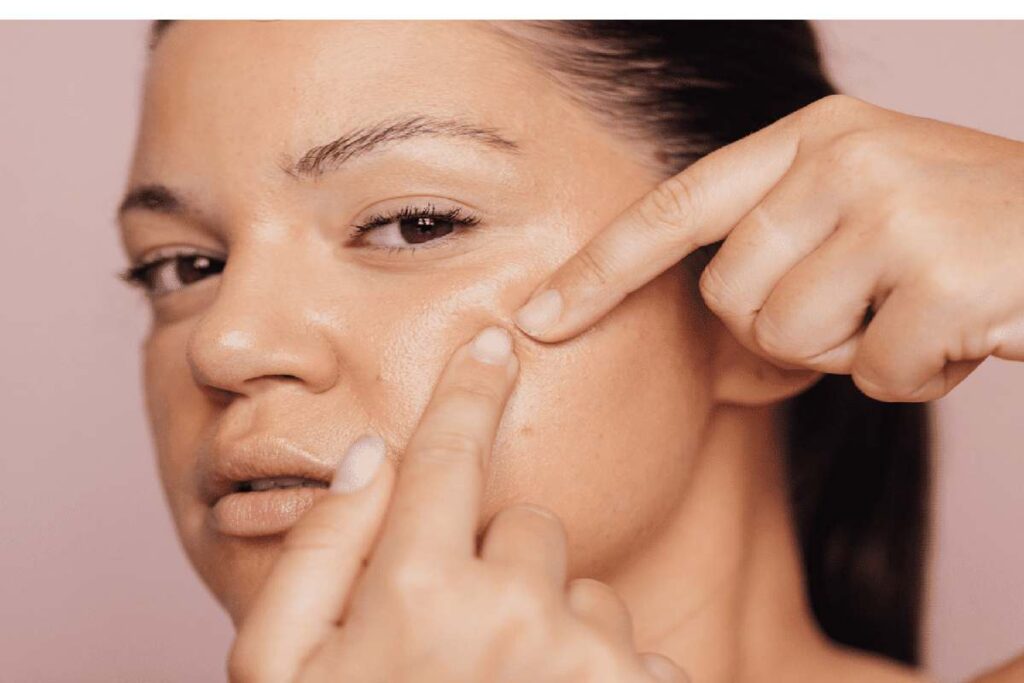
Fungal acne is one of the most misunderstood skin conditions. Many people treat it like regular acne for months—sometimes years—without improvement.
Fungal acne, medically called Malassezia folliculitis, is a condition where yeast overgrowth infects hair follicles, causing small itchy bumps that resemble acne.
Because the cause is fungal rather than bacterial, traditional acne treatments often fail.
If you suspect fungal acne, the good news is that it can usually be cleared quickly with the right treatment strategy.
This guide explains how to get rid of fungal acne effectively, safely, and prevent it from coming back.
What Exactly Is Fungal Acne?
Fungal acne is not technically acne.
It occurs when Malassezia yeast, which normally lives on human skin, multiplies excessively and infects hair follicles.
This triggers inflammation and produces acne-like bumps.
Key Characteristics
Common symptoms include:
- Small, uniform red bumps
- Often itchy or irritated
- Appears in clusters
- Usually found on:
- Forehead
- Chest
- Upper back
- Shoulders
- Hairline
According to dermatology research published in recent clinical reviews, Malassezia folliculitis accounts for up to 12–25% of acne-like eruptions that do not respond to traditional acne treatments.
Who This Guide Is For
This guide is especially helpful if you:
- Have tiny identical bumps instead of varied pimples
- Notice itchiness along with breakouts
- Tried acne products but nothing improved
- Sweat frequently or live in hot, humid climates
- Recently used antibiotics or steroids
These factors increase the risk of fungal acne.
Who Should Be Cautious
Some people should consult a dermatologist before self-treating:
- Severe widespread breakouts
- Immunocompromised individuals
- Persistent skin infections
- Cases that do not improve after 3–4 weeks of treatment
Medical antifungal medication may be necessary in these situations.
Why Fungal Acne Happens
Several conditions encourage yeast overgrowth on the skin.
Common Triggers
| Trigger | Why It Causes Fungal Acne |
|---|---|
| Excess sweating | Warm, moist environments promote yeast growth |
| Antibiotic use | Reduces bacteria that normally control yeast |
| Oily skincare products | Yeast feeds on certain fatty acids |
| Tight clothing | Traps sweat and heat |
| Humid climates | Creates ideal fungal growth conditions |
Studies in dermatology journals continue to show that humidity, sweat, and occlusive skincare products significantly increase Malassezia proliferation.
How to Get Rid of Fungal Acne (Step-by-Step)
Treating fungal acne requires antifungal therapy plus supportive skincare habits.
Step 1: Use an Antifungal Cleanser or Shampoo
One of the fastest ways to treat fungal acne is with antifungal shampoos used as facial or body cleansers.
Common active ingredients include:
- Ketoconazole
- Selenium sulfide
- Zinc pyrithione
How to use:
- Apply to affected areas
- Leave for 3–5 minutes
- Rinse thoroughly
- Use 3–4 times per week
Many dermatologists recommend ketoconazole shampoos because they directly target Malassezia yeast growth.
Step 2: Apply Antifungal Creams
Topical antifungal medications help eliminate yeast in the follicles.
Common options include:
- Ketoconazole cream
- Clotrimazole
- Miconazole
Apply a thin layer once or twice daily to affected areas.
Improvement is often visible within 1–2 weeks.
Step 3: Switch to Fungal-Acne-Safe Skincare
Certain ingredients feed Malassezia yeast and worsen breakouts.
Ingredients to Avoid
-
Coconut oil
-
Olive oil
-
Fatty acids
-
Esters
-
Polysorbates
-
Fermented oils
Safer Skincare Ingredients
-
Niacinamide
-
Hyaluronic acid
-
Squalane
-
Aloe vera
-
Centella asiatica
Using lightweight, non-comedogenic products helps prevent yeast overgrowth.
Step 4: Reduce Sweat and Heat on Skin
Warm environments are ideal for fungal growth.
Helpful habits include:
-
Shower after workouts
-
Wear breathable fabrics
-
Change sweaty clothes quickly
-
Avoid heavy occlusive makeup
People who exercise frequently are more prone to fungal acne, making hygiene particularly important.
Step 5: Consider Oral Antifungal Medication (Severe Cases)
When topical treatments fail, dermatologists may prescribe oral antifungal medications such as:
-
Fluconazole
-
Itraconazole
These medications treat yeast systemically.
However, they should only be used under medical supervision.
How Long Does It Take to Clear Fungal Acne?
Treatment response varies, but typical timelines are:
| Treatment Type | Expected Improvement |
|---|---|
| Antifungal shampoos | 7–14 days |
| Topical antifungal creams | 1–3 weeks |
| Oral antifungals | Often within 1–2 weeks |
Consistency is critical. Stopping treatment too early may allow yeast to regrow.
Common Mistakes That Make Fungal Acne Worse
Many people unknowingly worsen fungal acne.
Mistake 1: Using Traditional Acne Treatments
Benzoyl peroxide and salicylic acid do not kill yeast, so they often fail.
Mistake 2: Heavy Oils and Moisturizers
Many oils contain fatty acids that feed Malassezia yeast.
Mistake 3: Overwashing Skin
Excessive cleansing damages the skin barrier and may worsen inflammation.
Mistake 4: Ignoring Sweat
Leaving sweat on the skin for long periods encourages fungal growth.
Fungal Acne Myths vs Facts
| Myth | Reality |
|---|---|
| Fungal acne is just severe acne | It is actually a yeast infection of hair follicles |
| Acne products will treat it | Antifungal treatment is required |
| It only affects oily skin | Anyone can develop fungal acne |
| It spreads like a contagious infection | It is caused by normal skin yeast overgrowth |
Understanding these differences helps prevent months of ineffective treatment.
How to Prevent Fungal Acne From Coming Back
Once fungal acne clears, prevention becomes the focus.
Helpful habits include:
- Use fungal-safe skincare products
- Avoid heavy oils and esters
- Shower after sweating
- Wash pillowcases regularly
- Maintain a lightweight skincare routine
People living in hot or humid climates may need occasional antifungal cleansers to prevent recurrence.
Conclusion
Fungal acne can be frustrating, especially when it looks like regular acne but refuses to respond to typical treatments. The key difference is the cause—fungal acne (Malassezia folliculitis) is triggered by yeast overgrowth, not bacteria. Because of this, clearing it requires a different approach than standard acne care.
FAQs
What kills fungal acne the fastest?
Antifungal ingredients such as ketoconazole, selenium sulfide, and zinc pyrithione are among the most effective treatments because they directly reduce Malassezia yeast.
Can fungal acne go away on its own?
Sometimes mild cases improve naturally, but most require antifungal treatment to fully clear.
Is fungal acne itchy?
Yes. Itchiness is one of the key signs distinguishing fungal acne from bacterial acne.
Can diet cause fungal acne?
Current evidence does not strongly link diet to fungal acne, though high sweat levels and humidity are major triggers.
Is fungal acne contagious?
No. Malassezia yeast normally lives on human skin and becomes problematic only when it overgrows.

Mohammed Shareef is the creator of The Natural Beauty Life, a website focused on natural health, skincare, and wellness.
With a strong interest in research-based content, [Your Name] shares easy-to-understand guides on remedies, beauty routines, and health topics to help readers make informed lifestyle choices.
All articles are carefully researched using trusted sources and written in a simple, practical format for everyday use.
For inquiries: [contact@thenaturalbeautylife.com](mailto:contact@thenaturalbeautylife.com)