Beauty Is Portrayed in the Media: Let’s Get Real About It
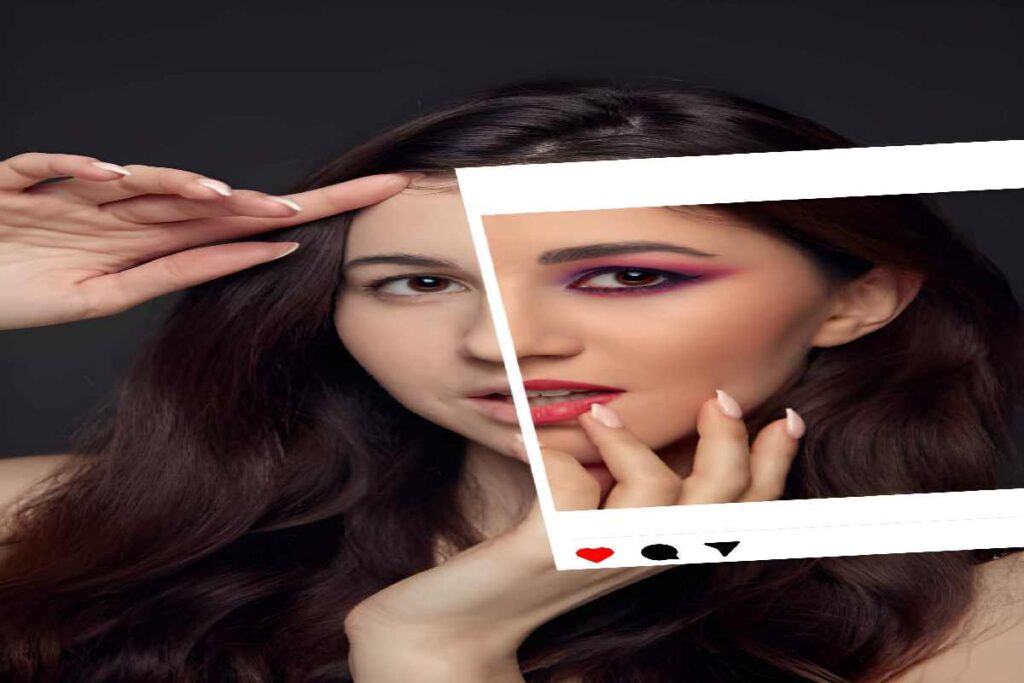
Ever scrolled through your feed and thought, “Wait… why don’t I look like that?” Yeah, me too. The way beauty is portrayed in the media—from Instagram filters to glossy magazine covers—can mess with how we see ourselves. It’s everywhere, and honestly, it’s hard to escape.
But here’s the deal: the “perfect” faces and bodies we see online aren’t the full picture. The media has shaped what “beautiful” means for decades, and it’s time we actually talk about it—like, really talk about it.
How the Media Got Us Hooked on “Perfect”
Let’s rewind a bit. Before TikTok trends and selfie culture, most of what we saw came from TV, movies, and fashion magazines. The definition of beauty was narrow—think: tall, slim, flawless skin, shiny hair. The same type of person kept showing up.
What happened next? We started believing that’s what beauty is.
Media made it look effortless, but behind the curtain were:
-
Airbrushed photos.
-
Intense lighting setups.
-
Entire teams fixing every “imperfection.”
Now, we’ve traded magazines for social feeds—but the pressure’s the same, just digital. Only now, instead of waiting for the next issue, new content floods our screens every minute.
The Social Media Effect: Filters and FOMO
Let’s be real—social media beauty trends have taken things to another level.
Think about it:
-
You see your favorite influencer glowing with perfect skin.
-
You scroll and every post looks aesthetic.
-
Suddenly, you’re wondering if you need a new skincare routine or whitening your teeth is “normal.”
What’s wild is that even those influencers feel the same pressure. Many admit they don’t look like their highlight reels, but the illusion sticks around.
Filters and editing tools quietly shape what we think we should look like. A few taps, and your pic matches beauty standards that barely exist in real life. It’s powerful—and kind of scary—how easily we can reshape faces, bodies, even our reality.
Real Talk: The Pressure to Keep Up
Now, here’s where it gets personal.
When the media keeps repeating the same version of “beauty,” it can:
-
Knock your confidence.
-
Make you chase validation.
-
Create unrealistic expectations—especially for young people.
We end up thinking beauty equals worth. That’s not real—but the mental load is.
I’ve seen friends skip out on photos, over-edit selfies, or compare themselves nonstop online. They’re good people, kind people, but that inner critic doesn’t care. The pressure is baked right into the scroll.
Breaking Down the “Media Ideal” Myth
Let’s call out the biggest myth the media sells us: that beauty has one definition.
Spoiler—it doesn’t.
Beauty looks different on everyone. What’s considered gorgeous in one culture might be totally different somewhere else. But media doesn’t always show that variety, especially mainstream platforms. It sells “aspirational” looks, because, honestly—insecurity sells stuff.
Think about all the industries cashing in:
-
Skincare and makeup brands.
-
Fitness and wellness programs.
-
Cosmetic surgery clinics.
When we feel “not enough,” we buy more. That’s the loop the media plays on repeat.
More Representation Is Changing the Game
Here’s the good news: things are shifting.
Lately, there’s been more pushback against airbrushed perfection. People want real beauty representation—unfiltered, raw, and diverse. Brands now feature:
-
Different skin tones.
-
Body types that reflect real people.
-
Freckles, scars, stretch marks, and natural hair.
It’s not just about “body positivity” anymore—it’s about body neutrality and self-acceptance. We’re seeing creators proudly show up as they are, forcing media companies to rethink their standards.
And it’s about time.
The Role of Social Media in How Beauty is Portrayed
Social media didn’t invent beauty pressure — it sped it up.
Before, you compared yourself to:
-
Celebrities
-
Models
-
Magazine covers
Now?
You compare yourself to:
-
Influencers
-
Friends
-
Strangers
-
AI-enhanced faces
And it happens 24/7.
Here’s what changed with social media:
-
Filters normalize unrealistic skin
-
Angles replace reality
-
Editing apps blur the line between real and fake
-
“Effortless beauty” becomes a performance
What messes with us most is this:
We know images are edited… but our brains still react emotionally.
The Mental Impact of Media Beauty Standards
Let’s be real for a second.
When beauty is portrayed in the media as one-size-fits-all, it doesn’t just affect confidence — it affects mental health.
Common emotional effects I see everywhere:
-
Constant comparison
-
Body dissatisfaction
-
Skin anxiety
-
Fear of aging
-
Low self-worth tied to appearance
And this hits young people the hardest.
Studies link unrealistic beauty standards to:
-
Anxiety
-
Depression
-
Disordered eating
-
Cosmetic procedure pressure
When your worth feels tied to how closely you match a screen, that’s not harmless.
The Psychology Behind Media Influence
Here’s something interesting. Studies show that constant exposure to idealized images affects self-esteem, especially in teens. It reshapes how we value ourselves compared to others.
Ever hear of social comparison theory? It basically says:
We judge our worth based on how we stack up against others.
When “others” are edited, filtered digital versions, that comparison is never fair. Traditional media may have started the trend—but social platforms supercharged it. Now it’s not just celebrities we compare to, it’s classmates, coworkers, even total strangers.
Gender & Beauty: Different Pressure, Same Damage
Media beauty standards don’t hit everyone the same way.
For women:
-
Thin but toned bodies
-
Youth obsession
-
“Sexy but not too sexy”
-
Perfect skin expectation
For men:
-
Muscular physiques
-
Height and dominance
-
No visible flaws
-
Emotional restraint
And now, with social media, men’s beauty pressure is catching up fast.
Gym culture. Jawline trends. Hairline anxiety. Filtered masculinity.
Different looks — same pressure.
Colorism, Racism, and Beauty Representation in Media
This part matters — a lot.
For a long time, beauty in the media favored lighter skin, straighter hair, and Western features.
That led to:
-
Colorism within communities
-
Underrepresentation of darker skin tones
-
“Fairness” marketing narratives
-
Internalized bias
Even today, when brands claim diversity, you’ll notice patterns:
-
Lighter-skinned models front campaigns
-
“Acceptable diversity” still fits narrow norms
-
Texture and tone are often edited
Representation isn’t just about being visible.
It’s about being shown without alteration or apology.
How to Unlearn Media’s Beauty Messaging
We can’t exactly ghost the internet. But we can change how we use it.
Here’s how to take power back:
-
Curate your feed. Unfollow accounts that make you feel “less than.”
-
Follow diverse creators who celebrate real bodies and faces.
-
Pause before comparing. Remind yourself most people share their best moments, not their entire story.
-
Stay grounded in real life. Compliment people for their energy, humor, or kindness—not just looks.
-
Be kind to your mirror self. You live with that person daily. Show them some love.
It’s not about ignoring beauty—it’s about redefining it on your own terms.
Why This Conversation Still Matters
The way beauty is portrayed in the media still shapes how society sees gender, identity, and even power. When we question those portrayals, we don’t just reclaim our self-image—we make room for a wider, healthier conversation.
Because let’s face it:
-
Kids grow up seeing the same ads and influencers we do.
-
Representation sets the tone for self-worth.
-
Changing the script helps everyone breathe easier in their own skin.
When media starts showing beauty as diverse, messy, and real, that’s when real change happens.
Final Word: Redefine Beauty, Don’t Chase It
At the end of the day, beauty as portrayed in the media is just one version of a much bigger story. The more we buy into it, the smaller our definition gets. But when we pull back, ask questions, and see beyond the filters—it hits different.
Beauty isn’t about perfection. It’s about presence. About being you in a world that tries too hard to make you someone else.