Why I Gave Up on Foundation (Kinda)
I was that person who wouldn’t leave the house without full coverage. Like, every single pore needed to be invisible or I’d have a meltdown. Then one day I looked in the mirror under natural light and genuinely scared myself. My face looked flat. Almost plasticky? Not cute.
Here’s why skin tints became my thing:
- My skin can actually move – Sounds weird, but foundation used to crack when I smiled too big
- People stopped asking if I was wearing makeup – Which honestly felt like a compliment
- I stopped breaking out as much – Shocking what happens when your pores aren’t suffocating
- Morning routine got cut in half – More time for scrolling TikTok with my coffee
Switching to the best skin tint I could find happened kind of by accident. I ran out of foundation one morning, grabbed a sample from my drawer, and thought “wait, why does my skin look… good?” Turns out I didn’t need to cover every single thing. Just needed to look less like I’d been up until 3 AM watching true crime docs (even though I definitely was).
What Actually Makes One Good vs. Terrible
I’ve tried skin tints that were basically tinted water. Completely pointless. And others that claimed to be “light coverage” but were really just foundation lying about its identity.
Here’s what separates the good ones from the trash:
Coverage That’s Not Lying to You
A decent skin tint should blur the red spots, make dark circles less obvious, and generally even things out without looking like you’re wearing anything. My freckles still show. My skin texture is still there. But everything looks… softer? Less angry?
If I wanted to cover every single thing, I’d just use foundation. The whole point here is looking like myself on a good skin day.
Ingredients That Don’t Suck
Look, if I’m putting something on my face for 8+ hours, it better be doing something besides just sitting there. I hunt for hyaluronic acid (keeps things hydrated), niacinamide (calms redness), vitamin C (brightens), that kind of stuff. Basically anything I’d want in my serums anyway.
Some skin tints are literally just skincare with a bit of color thrown in. Those are the ones I’m interested in.
Hopefully Some SPF
Not gonna lie, finding a best skin tint with SPF 30 or higher is clutch. But here’s the catch—you’d need to slather on like a quarter of the bottle to get the full protection. So yeah, still wear your regular sunscreen underneath. The SPF in the tint is just backup insurance.
The Right Finish for Your Face
This is huge. I’m oily as hell, so dewy formulas make me look like I ran a marathon. I need something that dries down and stays put. My friend with dry skin? She looks amazing in those glowy, almost wet-looking tints.
There’s no universal “best” finish. It’s whatever works with your skin situation.
How I Actually Test These Things
Arm swatches are useless. Like, completely. Your arm is not your face. The skin is different, the oil production is different, everything’s different.
My real testing process looks like this:
- Slap it on my actual face first thing – No arm testing allowed
- Wear it through a normal day – Does it turn orange by noon? Does it vanish? Does my nose get shiny?
- Check it everywhere – Bathroom mirror, car mirror, outside in the sun, under those terrible office lights
- See if it fights with my other stuff – Sometimes tints pill up when you add more sunscreen on top. Instant deal-breaker
- Try it on different skin days – Works great on good skin days but looks terrible when I’m breaking out? Not the one
The best skin tint I found passed all these tests without me wanting to wash it off halfway through the day.
The Shade Matching Nightmare
This part makes me want to scream sometimes. Brands will release like 12 shades and somehow none of them match actual human skin tones. Or they’ll have a million shades but the undertones are completely wrong.
What’s worked for me:
Get samples whenever humanly possible. And yeah, I’ve mixed two different shades together before. Sounds complicated but it takes like five seconds. Just squirt a bit of each onto your hand, mix with your finger, done.
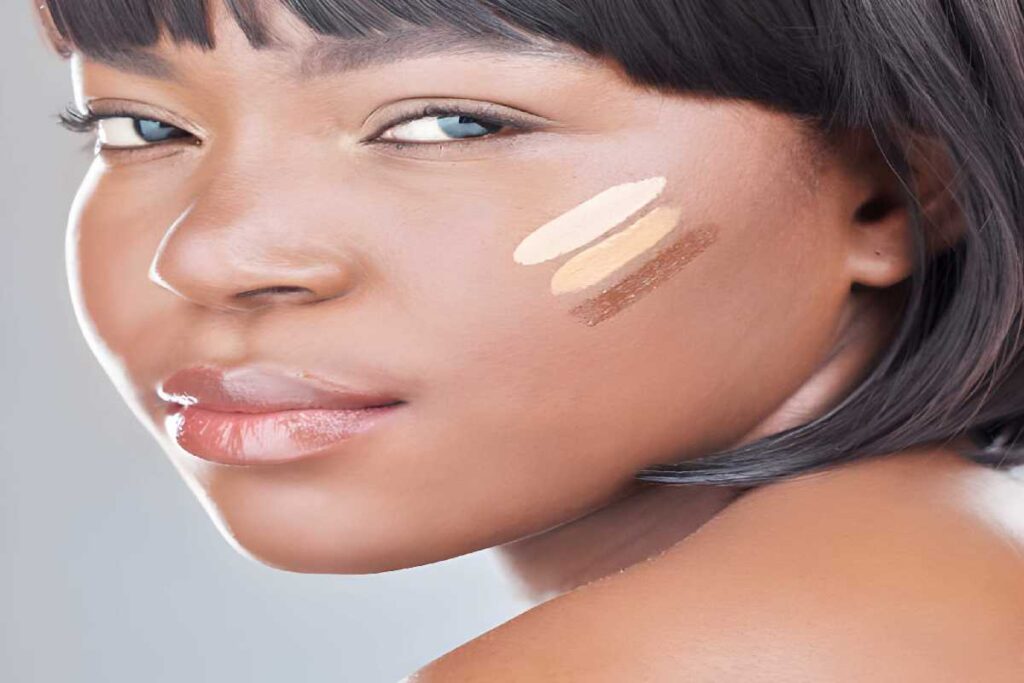
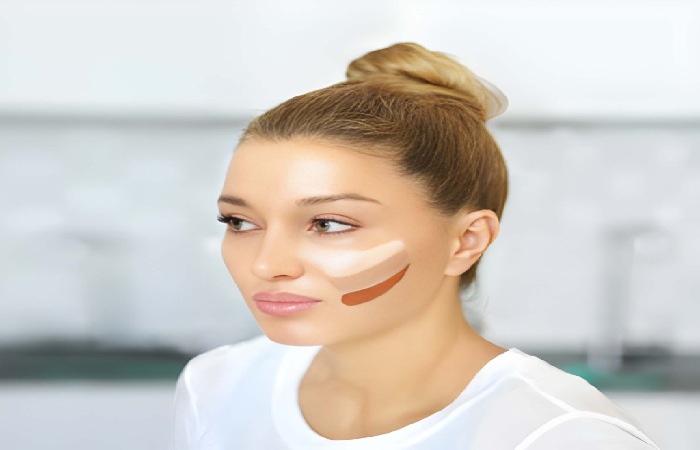
Test on your jaw, not your hand. Swipe it along your jawline and check it in daylight through a window. The right match just disappears. No line, no difference, nothing.
Ordering online? Only buy from places that do free returns. Life’s too short to be stuck with the wrong shade. Also, you can go slightly lighter in skin tints than you would in foundation because the coverage is so sheer. There’s more room for error.
Stop Using Brushes for This
Seriously, you’re making it harder than it needs to be. Brushes, beauty sponges, all that stuff? Save it for foundation. The best skin tint application happens with your fingers. That’s it.
My actual routine:
- Clean face, moisturizer, SPF (obviously)
- Squeeze some tint onto the back of my hand
- Dot it on forehead, both cheeks, nose, chin
- Pat it in with my fingers like I’m playing bongos on my face
- Add a tiny bit more where I’m redder (nose and chin for me)
- Sometimes powder my T-zone if I’m feeling fancy
Your fingers warm up the product so it blends better. Plus it’s faster and you waste less. I’ve timed it—takes me maybe 45 seconds total.
Bonus tip: Need more coverage somewhere? Dab concealer on top after the tint. You get that light, breezy base everywhere with extra help only where you actually need it.
What’s Actually Worked for Different Skin Types
I can’t tell you which exact products to buy because what saved my oily, breakout-prone face might destroy your dry skin situation. But I can tell you what to look for.
Oily skin people:
You want matte or natural finish. Anything dewy will have you looking like a glazed donut by lunch (and not in a cute way). Niacinamide in the formula helps control oil. The best skin tint for oily types stays put and doesn’t require you to blot every twenty minutes.
Dry skin crew:
Go full dewy. Look for hyaluronic acid, glycerin, squalane—anything hydrating. You need formulas that won’t grab onto every dry patch and make it worse.
Combination (aka the worst):
Welcome to the struggle. You probably want something satin or natural that won’t make your forehead an oil slick but also won’t emphasize those dry cheeks. Honestly, combination skin is the hardest to shop for.
Sensitive skin gang:
No fragrance. Period. Minimal ingredients. Some of the best skin tint options for sensitive types are mineral-based because they’re less likely to cause reactions.
When This Just Doesn’t Work (Real Talk)
Sometimes skin tints aren’t it. If you’ve got serious acne, significant scarring, or just really like more coverage—foundation’s right there. Use it. I still keep foundation around for certain occasions.
Skin tints might not cut it for:
- Really bad redness – You might need actual color corrector first
- Super dark under-eye circles – Concealer is your friend here
- Days when you just want more coverage – That’s literally fine, just use foundation
The best skin tint for some people is actually no skin tint at all. There’s no award for using the least amount of makeup.
Making It Last Without Trying Too Hard
Even light coverage should stick around all day. Here’s what actually helps:
Prep matters. I use primer only on the oily parts of my face. My cheeks don’t need it and primer can actually make things look worse on dry areas.
Powder strategically. Just the T-zone gets powder. Everything else stays natural looking.
Blot instead of powdering more. When you get shiny, blotting papers are your friend. Adding more powder throughout the day looks cakey and weird.
You barely need touch-ups. Honestly this is the best part. Maybe I’ll blot once midday. That’s it. The best skin tint just sits there looking like skin all day without needing constant maintenance.
What I Wish Someone Had Told Me
After spending embarrassing amounts of money figuring this out, here’s the truth: the best skin tint is whatever makes your life easier and your skin look like your skin but slightly better.
It’s not about what some influencer swears by or what’s trending. It’s about what works when you’re rushing out the door, what still looks good by the end of the day, and what doesn’t make you break out.
Test stuff yourself. Pay attention to how it actually wears. Your perfect tint might change when the weather changes or when your skin freaks out or just because you feel like trying something different.
The whole point of skin tints is making your routine easier. Less stress about blending everything perfectly, no worrying about looking too done-up, just quick coverage that lets your real skin show through.
That’s why finding the best skin tint is actually worth the effort—it takes the pressure off while still making you look put together. And honestly, that’s the dream.