
Introduction
Allergies are more than just occasional sneezing—they can affect your daily comfort, sleep, and overall quality of life. Conditions like allergic rhinitis, persistent cough, and mild asthma often share a common cause: inflammation triggered by allergens such as dust, pollen, or environmental irritants.
Bilastine and Montelukast tablets are a combination anti-allergy medication designed to provide comprehensive relief by targeting two major pathways involved in allergic reactions. While Bilastine blocks histamine to reduce immediate symptoms like sneezing and itching, Montelukast works deeper in the airways to control inflammation and mucus production.
Quick Answer
Bilastine and Montelukast tablets are used to treat:
- Allergic rhinitis (hay fever)
- Sneezing and runny nose
- Nasal congestion
- Allergic cough
- Asthma (as supportive therapy)
- Seasonal allergies
They work by blocking histamine and leukotrienes, two key chemicals responsible for allergic symptoms.
Key Takeaways
- Dual-Action Relief: Combines an antihistamine (Bilastine) and a leukotriene blocker (Montelukast) for better symptom control.
- Common Uses: Helps treat allergic rhinitis, sneezing, nasal congestion, allergic cough, and supports asthma management.
- Effective for Persistent Allergies: Particularly useful when single medications don’t provide full relief.
- Best Taken on Empty Stomach: Take 1 hour before or 2 hours after food; avoid fruit juice to ensure proper absorption.
- Not for All Coughs: Works only for allergy-related cough, not infections like cold or flu.
- Generally Well Tolerated: Side effects are usually mild, but rare mood-related changes may occur due to Montelukast.
- Medical Supervision Required: Should be taken only with a doctor’s advice, especially for children, pregnant women, or long-term use.
- Fast & Gradual Results: Initial relief may start within hours, with full benefits seen in 1–2 weeks.
What is Bilastine and Montelukast Tablet?
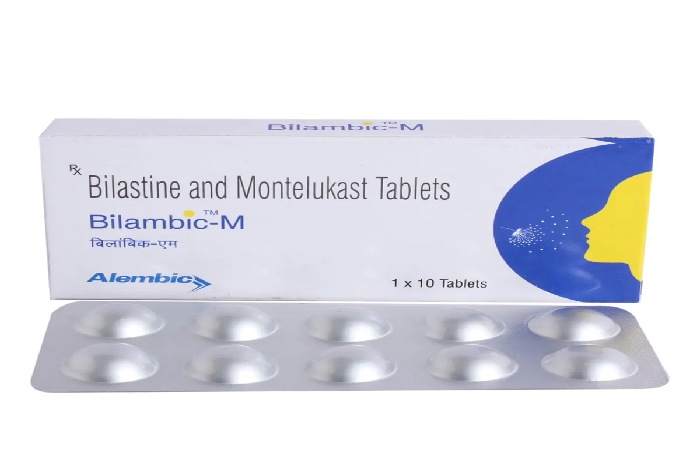
Bilastine and Montelukast is a combination anti-allergy medication used to control symptoms affecting the nose, throat, and lungs.
- Bilastine → a second-generation antihistamine
- Montelukast → a leukotriene receptor antagonist
Together, they provide dual-action relief by targeting different allergy pathways.
How Does It Work? (Mechanism of Action)
This combination works in two ways:
- Bilastine blocks H1 receptors → reduces sneezing, itching, runny nose
- Montelukast blocks leukotrienes → reduces airway inflammation and mucus
This makes it more effective than single-drug therapy in many patients with persistent symptoms.
Bilastine and Montelukast Tablet Uses (Detailed)
Doctors commonly prescribe this tablet for:
1. Allergic Rhinitis
- Sneezing
- Runny or blocked nose
- Itchy eyes
2. Seasonal Allergies
- Pollen allergy
- Dust allergy
3. Allergic Cough
- Dry, persistent cough linked to allergies
4. Asthma (Supportive Treatment)
- Helps reduce airway inflammation
- Not a rescue medication
5. Chronic Urticaria (in some cases)
- Skin allergies with itching
Dosage and How to Take
- Usually taken once daily (as prescribed by a doctor)
- Best taken on an empty stomach
Important:
- Take it 1 hour before or 2 hours after food
- Avoid fruit juices (they reduce absorption of Bilastine)
Side Effects
Most people tolerate this medicine well, but possible side effects include:
Common:
- Headache
- Dizziness
- Dry mouth
Less Common:
- Fatigue
- Stomach discomfort
Important Warning (Montelukast):
- Rare mood changes
- Sleep disturbances
Contact a doctor if unusual psychological symptoms occur
Precautions and Warnings
- Not recommended without medical advice
- Use caution in:
- Pregnant or breastfeeding women
- Patients with liver conditions
- Avoid alcohol if it increases drowsiness
This medication is ideal for:
- People with moderate to severe allergies
- Patients not responding to single antihistamines
- Individuals with allergy + mild asthma combination
Who Should Avoid It?
- Children (unless prescribed)
- Patients with known drug allergies
- Individuals with severe psychiatric history (monitor closely)
Food & Drug Interactions
Avoid:
- Fruit juices (orange, grapefruit, apple)
Be cautious with:
- Sedatives
- Other antihistamines
When Will You See Results?
- Initial relief: within a few hours
- Full effect: 1–2 weeks of regular use
Storage Instructions
- Store in a cool, dry place
- Keep away from sunlight
- Keep out of reach of children
Frequently Asked Questions (FAQs)
Can I take Bilastine and Montelukast daily?
Yes, but only under a doctor’s supervision.
Is it safe for long-term use?
It can be used long-term if prescribed, especially for chronic allergies.
Can it cure asthma?
No, it helps manage symptoms but does not cure asthma.
What is the best time to take it?
Usually once daily on an empty stomach, preferably at the same time each day.
Can I take it for cough?
Yes, if the cough is allergy-related.
Expert Insight (EEAT Optimization)
Combination therapy like Bilastine + Montelukast is increasingly used in modern allergy management because it targets multiple inflammatory pathways simultaneously, improving patient outcomes when single-drug therapy fails.
Final Verdict
Bilastine and Montelukast tablets offer a powerful dual-action approach for managing allergies and related respiratory symptoms.
Effective
Generally well tolerated
Suitable for persistent allergies
But always use under medical supervision
Also Read : Molecular Gastronomy Pastry Chef Career India 2026 Guide

Mohammed Shareef is the creator of The Natural Beauty Life, a website focused on natural health, skincare, and wellness.
With a strong interest in research-based content, [Your Name] shares easy-to-understand guides on remedies, beauty routines, and health topics to help readers make informed lifestyle choices.
All articles are carefully researched using trusted sources and written in a simple, practical format for everyday use.
For inquiries: [contact@thenaturalbeautylife.com](mailto:contact@thenaturalbeautylife.com)