

Why Oily Skin Requires a Different Night Strategy
Oily skin is commonly misunderstood as a condition of excess oil alone. In dermatology, it is increasingly viewed as a dysregulated oil–water–barrier system.
Evidence-Based Facts
-
Sebum production follows a circadian rhythm, peaking in the afternoon and declining overnight
-
Transepidermal water loss (TEWL) increases at night by up to 25–30%
-
Barrier repair enzymes (ceramide synthesis) peak during sleep
-
Dehydration stimulates sebaceous glands via inflammatory signaling
Clinical implication:
Oily skin that is under-hydrated produces more oil, not less.
Oily Skin Failure Patterns Seen in Real Users
Across dermatology literature and consumer behavior studies, oily skin routines fail due to:
-
Over-cleansing (barrier lipid depletion)
-
Skipping night moisturization
-
Using “oil-control” products with high surfactant load
-
Treating oil as the enemy instead of imbalance
This explains why many users experience:
-
Tight skin + greasiness
-
Acne flares despite “oil-free” routines
-
Increased sensitivity over time
What an Evidence-Based Oily Skin Cleanser Must Do
Dermatological Performance Criteria
A cleanser suitable for oily and acne-prone skin must:
-
Remove excess sebum without solubilizing intercellular lipids
-
Maintain skin surface pH between 5.0–5.8
-
Avoid cumulative irritation from daily use
-
Support post-cleansing barrier recovery
Foaming intensity does not correlate with acne improvement.
Cetaphil Oily Skin Cleanser: Ingredient-Level Analysis
The Cetaphil Oily Skin Cleanser is designed around barrier-first oil regulation.
Functional Ingredient Roles
Niacinamide (Vitamin B3)
-
Reduces sebaceous gland activity (documented in multiple clinical trials)
-
Improves stratum corneum barrier integrity
-
Reduces post-inflammatory erythema
Panthenol (Pro-vitamin B5)
-
Enhances corneocyte hydration
-
Accelerates barrier recovery after cleansing
-
Reduces irritation from surfactants
Low-lather, soap-free surfactants
-
Lower risk of lipid extraction
-
Reduced rebound oil production
What It Does NOT Do
-
Does not dry out acne lesions
-
Does not exfoliate pores
-
Does not replace acne treatments
This is intentional and clinically appropriate.
Why Some Users Experience Tightness or “Dryness”
This is not formulation failure.
Common Causes
-
Barrier already compromised
-
Cleansing frequency > once daily
-
No moisturizer applied after cleansing
-
Concurrent use of retinoids or acids
Key point:
Tightness in oily skin is usually water loss, not lack of oil.
Why Night Moisturization Is Mandatory for Oily Skin
Scientific Rationale
-
TEWL peaks at night
-
Sebum does not replace water loss
-
Barrier repair requires humectants + light occlusion
Studies consistently show that well-hydrated oily skin produces less sebum over time.
Skipping moisturizer:
-
Worsens oiliness
-
Delays acne healing
-
Increases sensitivity
What an Oily-Skin Night Cream Must Avoid (Failure Factors)
Night creams fail oily skin when they contain:
-
Heavy occlusives in high concentration
-
Comedogenic plant oils
-
Excess fragrance compounds
-
Redundant actives that disrupt barrier repair
Plix Night Cream: Evidence-Based Functional Review

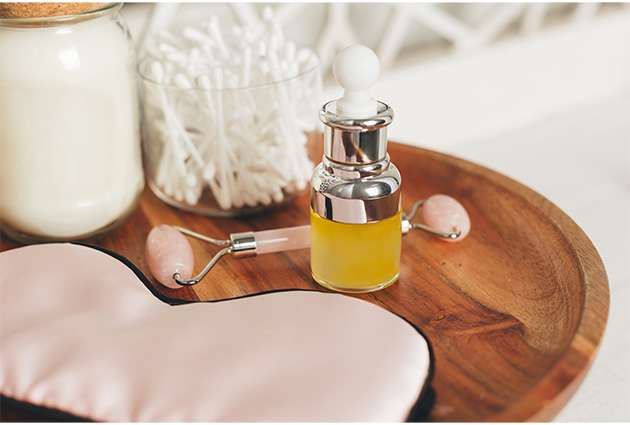
The Plix Night Cream functions as a hydration stabilizer, not a treatment product.
Functional Breakdown
Humectants (e.g., glycerin, aloe)
-
Attract and retain water in the stratum corneum
-
Reduce dehydration-induced oil rebound
Antioxidant support (pomegranate extract)
-
Neutralizes oxidative stress from daytime exposure
-
Supports barrier enzymes during repair phase
Light emollient system
-
Improves skin feel without occlusion overload
-
Suitable for oily skin compliance
Limitations (Important)
-
Not effective for active inflammatory acne
-
Not suitable for fungal-acne–prone skin
-
Does not replace retinoids or prescription therapies
Compatibility Analysis: Why This Pairing Works
Cetaphil Oily Skin Cleanser + Plix Night Cream works because:
-
Cleanser removes oil without triggering dehydration
-
Night cream restores water balance without clogging pores
-
Barrier stabilization reduces next-day oil output
This pairing targets root causes, not symptoms.
Minimalist Night Routine (Evidence Hierarchy)
Non-Negotiable
-
Gentle cleanser (once at night)
-
Lightweight moisturizer
Conditional
-
Niacinamide or salicylic acid serum (2–3× weekly)
Avoid During Barrier Stress
-
Exfoliation
-
Alcohol-based toners
-
Layering multiple actives
More steps = higher failure risk.
Who Should Modify or Avoid This Routine
This routine is not ideal for:
-
Nodular or cystic acne
-
Malassezia (fungal acne)
-
Known niacinamide intolerance
-
Patients on isotretinoin or high-dose retinoids
These cases require professional supervision.
Results Timeline (Based on Skin Physiology)
-
7–10 days: Reduced oil rebound
-
3–4 weeks: Improved texture, fewer clogged pores
-
6–8 weeks: Barrier normalization, calmer skin
Skin turnover cycles prevent faster outcomes.
FAQs (Evidence-Based)
Does oily skin really need a night cream?
Yes. Oily skin loses water at night, and hydration reduces compensatory oil production.
Can Cetaphil oily skin cleanser worsen acne?
No. When used once daily and followed by moisturizer, it supports acne-prone skin.
Is Plix night cream enough on its own?
For maintenance hydration, yes. Not for treating active acne.
Key Clinical Takeaways
-
Oily skin is often dehydrated skin
-
Barrier damage increases oil production
-
Gentle cleansing outperforms aggressive oil stripping
-
Night hydration is preventive acne care
Medical Disclaimer
This content is for educational purposes only and does not replace professional medical advice. Individual skin responses vary.