
Introduction
Chia Seeds Benefits for Skin health not by “detoxing” or instant glow, but by improving hydration retention, reducing low-grade inflammation, and supporting the skin barrier over time.
If you’ve searched for chia seeds benefits for skin, you’ve probably seen bold claims—clear acne, glass skin, anti-aging miracles. The problem? Most of those claims skip how skin biology actually works. That leads to frustration when nothing changes after a week.
Here’s the reality: chia seeds can help your skin—but only in specific ways, for specific people, and over realistic timelines. This guide breaks down what actually works, what doesn’t, and how to use chia seeds without falling for hype.
Key Takeaways
-
Chia seeds help skin mainly by supporting hydration and barrier strength
-
Benefits are indirect and cumulative, not instant
-
Proper soaking and moderate intake matter
-
Helpful for dryness and mild inflammatory acne—not hormonal or cystic acne
-
Overuse can backfire via gut irritation
Why Skin Health Starts From the Inside
Your skin is a barrier organ. Its appearance depends heavily on:
-
Lipid balance (fats in the outer skin layer)
-
Inflammation levels
-
Hydration signaling from inside the body
Topical products work on the surface. Nutrition influences the structure underneath. Chia seeds operate in this second category.
Nutrients in Chia Seeds That Matter for Skin
Omega-3 Fatty Acids
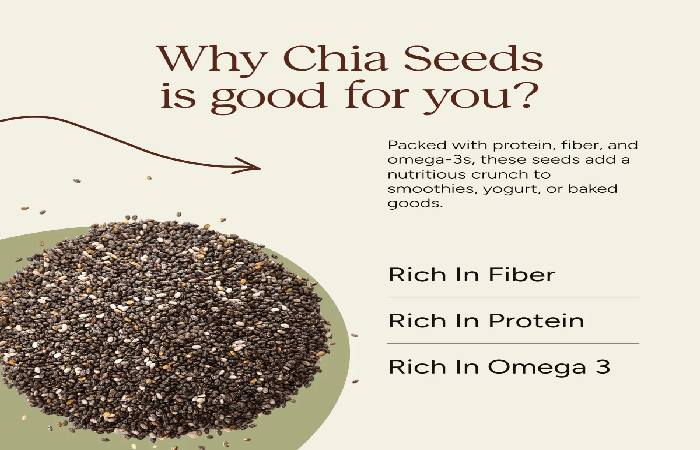
Chia seeds are rich in ALA omega-3s. These fats help:
-
Support skin barrier lipids
-
Reduce low-grade inflammation linked to redness and sensitivity
Research summarized by National Institutes of Health shows omega-3s influence inflammatory pathways, which directly affects skin calmness and moisture retention.
Antioxidants
Chia seeds contain polyphenols that help neutralize oxidative stress—one driver of premature skin aging. This doesn’t erase wrinkles, but it supports long-term skin resilience.
Nutrition research from Harvard T.H. Chan School of Public Health consistently emphasizes antioxidant intake as supportive—not transformative—for skin aging.
Fiber & the Gut–Skin Axis
Chia’s soluble fiber feeds beneficial gut bacteria. A healthier gut environment may reduce systemic inflammation that shows up as:
-
Acne flare-ups
-
Eczema-like sensitivity
This pathway is indirect but biologically plausible.
Minerals (Zinc & Magnesium)
These support skin repair and stress response, but amounts in chia seeds are modest. Think supportive, not therapeutic.
Specific Skin Benefits (What Evidence Supports)
Hydration & Dryness
Chia seeds absorb up to 10× their weight in water. When consumed soaked, they help improve internal hydration signaling, which can:
-
Reduce flakiness
-
Improve skin softness over time
Best for: dry or dehydrated skin types.
Acne & Breakouts
Chia seeds may help inflammatory acne linked to diet and gut health. They do not:
-
Cure hormonal acne
-
Replace dermatological treatment
If your acne is cycle-driven or cystic, chia seeds alone won’t fix it.
Dullness & Texture
Reduced inflammation + better hydration can subtly improve texture and radiance over weeks—not days.
Fine Lines
Dietary fats support elasticity indirectly. Expect prevention support, not visible wrinkle removal.
How to Use Chia Seeds for Skin Benefits
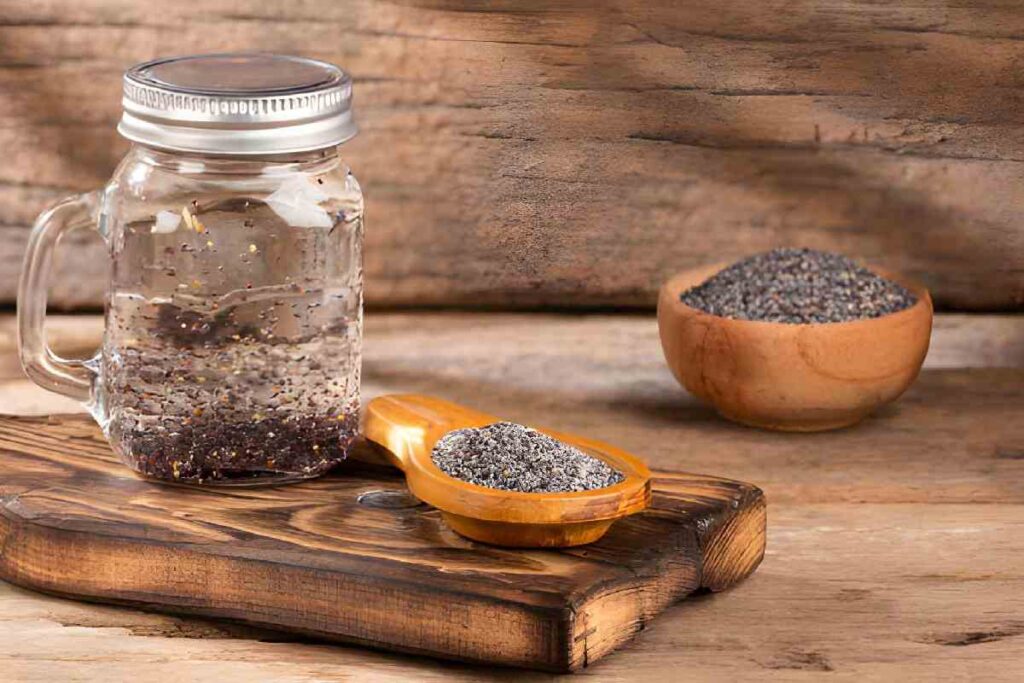
Correct Soaking Method
-
1 tablespoon chia seeds
-
1 cup water
-
Soak 20–30 minutes (or overnight)
Dry seeds can irritate digestion—bad for skin.
Daily Intake Range
-
Beginners: 1 tablespoon/day
-
Max practical intake: 2 tablespoons/day
More ≠ better.
Best Formats
-
Chia water (simple hydration)
-
Smoothies (nutrient absorption)
-
Oatmeal or yogurt (gentler digestion)
Timeline Expectations
-
Digestion adjustment: 3–5 days
-
Skin hydration changes: ~2–3 weeks
-
Inflammation-related improvements: 4–6 weeks
Common Mistakes That Cancel Skin Benefits
-
Eating chia seeds dry
-
Expecting acne cures
-
Overconsumption leading to bloating
-
Ignoring overall diet quality
Who Should Be Careful or Avoid Chia Seeds
-
People with IBS or swallowing issues
-
Those on blood-thinning medication
-
Anyone with seed allergies
Always introduce slowly.
Chia Seeds vs Other Skin-Friendly Foods
| Option | Strength | Limitation |
|---|---|---|
| Chia seeds | Hydration + fiber | ALA conversion limits |
| Flaxseed | Similar omega-3s | Shorter shelf life |
| Walnuts | Direct fats | Higher calories |
| Fish oil | Strong omega-3s | Supplement risks |
Expert Perspective & Evidence Context
Most benefits attributed to chia seeds come from:
-
Nutrition science
-
Inflammation research
-
Gut-skin axis studies
They are supportive tools—not magic solutions.
Conclusion
Chia seeds can improve skin health when used correctly and consistently. They work best as part of a hydration-focused, anti-inflammatory diet—not as a standalone beauty fix. If your expectations are realistic, they’re a simple, affordable addition worth trying.
FAQs
1. Do chia seeds really improve skin?
Yes, modestly. They support hydration and reduce inflammation over time but don’t deliver instant cosmetic changes.
2. How long do chia seeds take to show skin benefits?
Most people notice subtle changes after 2–6 weeks of consistent use.
3. Can chia seeds cure acne?
No. They may help diet-related inflammation but won’t treat hormonal or cystic acne.
4. Is chia water better than eating chia seeds?
Chia water is easier to digest and better for hydration-related skin benefits.
5. Can chia seeds cause skin problems?
Overuse can cause digestive stress, which may worsen breakouts in some people.
6. Are chia seeds good for dry skin?
Yes. Their hydration and lipid support make them especially helpful for dry or flaky skin.
7. Should I apply chia seeds topically?
No strong evidence supports topical use compared to dietary intake.
8. How much chia seed is safe per day?
1–2 tablespoons per day is generally well tolerated for most adults.
9. Are chia seeds better than collagen for skin?
They work differently. Chia supports hydration and inflammation; collagen supports structural proteins.
10. Can everyone eat chia seeds safely?
Most can, but people with digestive disorders or seed allergies should be cautious.