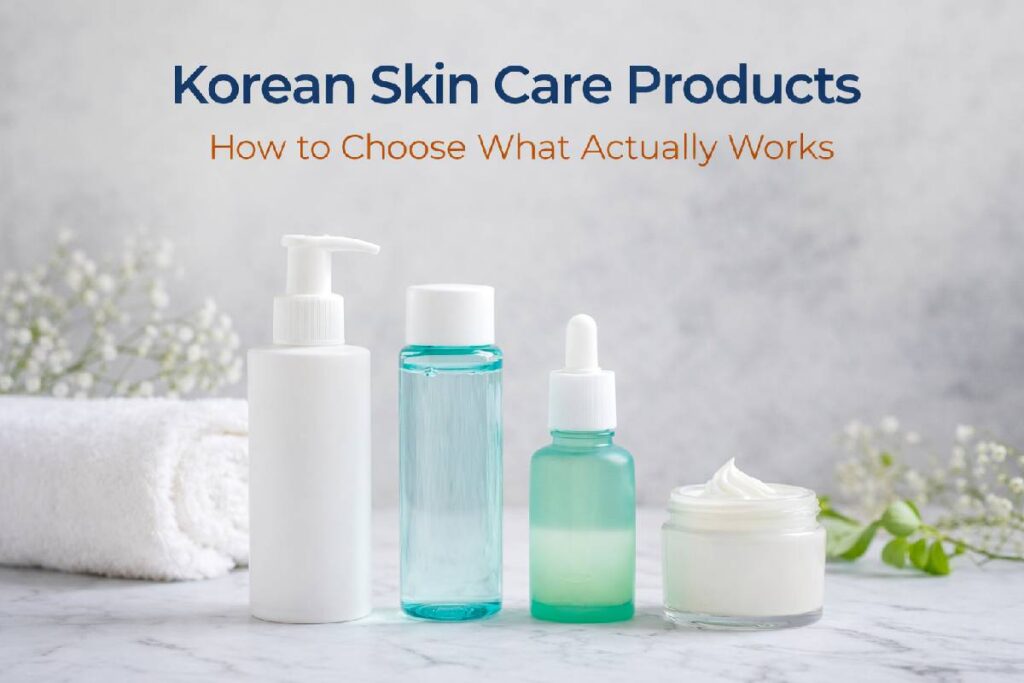
Korean skin care products are most effective when selected based on skin-barrier needs and formulation systems, not viral routines or step counts.
Most people fail with Korean skincare because they copy long routines without understanding how K-beauty products are meant to work together. This leads to irritation, breakouts, and wasted money. The smarter approach is choosing the right products in the right order, based on your skin type and ingredient compatibility.
This guide shows you how to choose Korean skin care products that actually work—without hype, over-layering, or confusion.
Key Takeaways
- Korean skincare focuses on long-term skin barrier health
- You don’t need a 10-step routine to see results
- Ingredient systems matter more than brand names
- Overuse causes irritation, not “purging”
- Affordable Korean products often perform as well as luxury ones
What Makes Korean Skin Care Products Different
Korean skin care products are designed to strengthen the skin barrier first, then address concerns like acne, pigmentation, or aging.
Key differences:
- Mild but effective formulations
- Layered hydration instead of harsh treatments
- Daily-use products with low irritation risk
Unlike many Western products that prioritize fast results, Korean skincare is built for consistent, long-term use.
Common Mistakes People Make With Korean Skin Care Products
What to Avoid
- Using exfoliating toners every day
- Layering acids, retinoids, and vitamin C together
- Copying influencer routines without knowing your skin type
What to Do Instead
- Introduce one product at a time
- Focus on hydration before active ingredients
- Adjust your routine based on climate and season
Most negative experiences with Korean skincare come from misuse, not bad products.
How to Choose Korean Skin Care Products by Skin Type
Oily or Acne-Prone Skin
- Gel or water-based cleansers
- Lightweight moisturizers
- Ingredients like centella asiatica and niacinamide
Dry or Dehydrated Skin
- Cream cleansers
- Toners with humectants
- Ceramides and panthenol-based moisturizers
Sensitive or Barrier-Damaged Skin
- Fragrance-free products
- Minimal ingredient lists
- Avoid frequent exfoliation
Choosing by skin type prevents over-treatment and irritation.
Ingredient Systems That Actually Work in Korean Skincare
Korean skin care products rely on ingredient systems, not single “hero” ingredients.
Effective systems include:
- Centella + madecassoside + panthenol (soothing and repair)
- Hyaluronic acid + glycerin + beta-glucan (hydration layering)
- Fermented extracts for better absorption, not exfoliation
Products work best when ingredients support each other, not compete.
Top Korean Skin Care Product Categories
| Product Type | Purpose | Beginner Friendly |
| Cleanser | Removes dirt without stripping | Yes |
| Toner / Essence | Hydration and prep | Yes |
| Serum | Targeted concerns | Optional |
| Moisturizer | Seals hydration | Yes |
| Sunscreen | Prevents damage | Mandatory |
Korean vs Western Skin Care: Quick Comparison
| Factor | Korean Skincare | Western Skincare |
| Actives | Mild and layered | Strong and concentrated |
| Focus | Barrier health | Fast correction |
| Irritation Risk | Lower | Higher |
Neither is “better”—they simply follow different philosophies.
How to Read Korean Skin Care Reviews Properly
Ignore:
- One-week transformation claims
- Reviews without skin type details
Focus on:
- 30–60 day usage feedback
- Reviews from similar climates
- Notes about sensitivity or breakouts
Good skincare results take time.
Correct Order to Apply Korean Skin Care Products
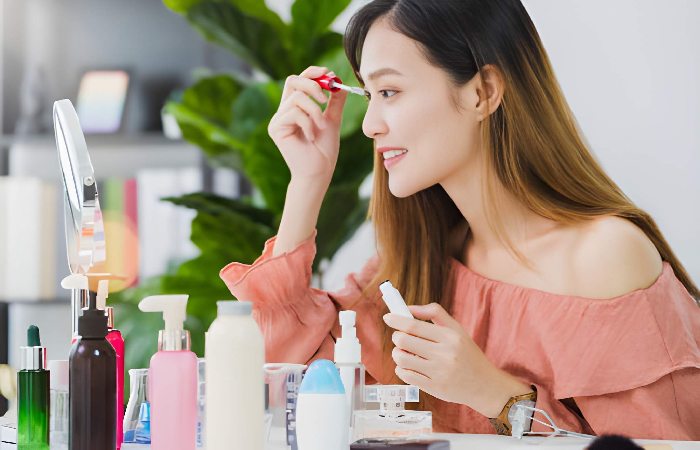
The correct order to apply Korean skin care products follows a thin-to-thick texture rule, allowing each layer to absorb properly without blocking the next one.
A practical Korean skincare order is:
-
Cleanser
-
Toner or essence
-
Serum or ampoule
-
Moisturizer
-
Sunscreen (morning only)
This order works because Korean formulations are designed to hydrate first and seal later. Applying thicker products too early can prevent lighter, water-based products from penetrating the skin, leading to congestion or reduced effectiveness. You do not need every step—only follow the order for the products you actually use.
Ingredient Combinations to Avoid in Korean Skincare
Not all Korean skincare ingredients work well together, especially when layered incorrectly.
Avoid these combinations:
-
Strong exfoliating acids + retinoids – increases irritation and barrier damage
-
Vitamin C + exfoliating toners in the same routine – can cause redness and sensitivity
-
Multiple fermented products layered together – may trigger breakouts in oily or acne-prone skin
Safer alternatives include separating strong actives into morning vs night routines and prioritizing hydration and barrier repair when using actives. Korean skincare is designed to be gentle, but misuse of ingredient combinations is a common cause of negative reaction
Alternatives to Korean Skin Care Products
If Korean skincare isn’t for you, consider:
- Japanese skincare for simpler routines
- Dermatologist-prescribed treatments
- Minimalist skincare with fewer steps
K-beauty is flexible—it’s not all or nothing.
Do’s and Don’ts When Using Korean Skin Care Products
| Do’s | Don’ts |
| Patch test new products before full use | Exfoliate every day |
| Introduce active ingredients slowly | Layer conflicting actives |
| Use sunscreen daily | Judge results too quickly |
Which Brand of Korean Skincare Is Best?
There is no single “best” Korean skincare brand for everyone. The best brand depends on your skin type, sensitivity level, and goals (acne, hydration, pigmentation, or aging).
Korean skincare brands are designed around specific formulation philosophies—some focus on barrier repair, others on gentle actives or minimal ingredients. Choosing a brand without matching it to your skin often leads to breakouts or irritation, even if the brand is popular.
Which Skin Care Is Best in Korea?
In Korea, the most trusted skincare is gentle, daily-use skincare that supports long-term skin health rather than aggressive treatments.
Korean consumers prioritize:
- Mild cleansers
- Hydrating toners and essences
- Barrier-repair moisturizers
- Daily sunscreen
Unlike trend-driven exports, skincare used locally in Korea is often simpler, fragrance-light, and barrier-focused. The “best” skincare in Korea is the one that can be used consistently without irritation.
Is Korean Skincare Good for Indian Skin?
Yes, Korean skincare works well for Indian skin when chosen correctly.
Indian skin commonly faces:
- Heat and humidity
- Higher oil production
- Hyperpigmentation risk
Korean skincare helps because it focuses on:
- Lightweight hydration instead of heavy creams
- Barrier protection against pollution
- Gentle brightening instead of harsh bleaching
Important note:
Indian skin should avoid over-layering and heavy fermented products in hot climates. Fewer steps work better.
How to Do Korean Skincare at Home (Simple Routine)
You don’t need a 10-step routine to follow Korean skincare at home.
A simple home routine looks like this:
- Gentle cleanser (morning and night)
- Hydrating toner or essence
- Lightweight moisturizer
- Sunscreen (morning only)
This routine follows the core Korean skincare philosophy: cleanse gently, hydrate deeply, protect daily.
Consistency matters more than the number of products.
Why Korean Skincare Focuses More on Prevention Than Treatment
Korean skincare is built on preventing skin damage, not fixing it later.
Instead of strong actives used occasionally, Korean products:
- Use lower-strength ingredients more often
- Strengthen the skin barrier first
- Reduce inflammation before treating concerns
This approach lowers the risk of long-term sensitivity, making it ideal for people who struggle with irritation from aggressive skincare routines.
Can You Mix Korean Skincare With Western Products?
Yes, but it must be done carefully.
Safe combinations:
- Korean hydrating products + Western prescription actives
- Korean cleansers + Western treatments
Avoid:
- Layering multiple active serums together
- Using exfoliating products daily from both systems
Korean skincare works best as the support system, while Western products act as targeted treatments.
Safety, Regulation & Authenticity of Korean Skin Care Products
Korean skin care products are regulated under South Korea’s Ministry of Food and Drug Safety (MFDS), which enforces strict standards for ingredient safety, labeling, and manufacturing.
However, the biggest safety risk comes from counterfeit or unauthorized sellers, especially when purchasing online. Fake products may contain unregulated ingredients or incorrect formulations. To ensure authenticity, buy from official brand stores, authorized retailers, or well-known marketplaces.
Even authentic products should always be patch tested, particularly if you have sensitive or acne-prone skin. Korean skincare is generally safe, but individual reactions can still occur due to skin type or overuse.
Conclusion
Korean skin care products work best when they are chosen and used with intention—not copied from trends or overloaded into long routines. The real strength of Korean skincare lies in its focus on skin-barrier health, ingredient compatibility, and consistent daily use rather than quick fixes.
By selecting products based on your skin type, applying them in the correct order, avoiding conflicting ingredients, and adjusting for climate and lifestyle, you can get excellent results with just a few well-chosen steps. Expensive brands and multi-step routines are not required; understanding formulation logic matters far more.
FAQs
Are Korean skin care products good for beginners?
Yes. They are generally gentler and designed for daily use, making them ideal for beginners.
Do I really need a 10-step Korean routine?
No. Most people see better results with 3–5 well-chosen products.
Can Korean skincare cause breakouts?
Yes, if products are layered incorrectly or don’t suit your skin type.
How long does Korean skincare take to work?
Hydration improves within days. Visible skin improvement usually takes 4–8 weeks.
Are expensive Korean brands worth it?
Not always. Many affordable Korean products perform just as well.
Is Korean skincare safe for sensitive skin?
Often yes, but patch testing is essential.
Author Trust & Methodology
This article is based on ingredient analysis, skin-barrier science, and long-term usability—not trends or sponsored rankings