
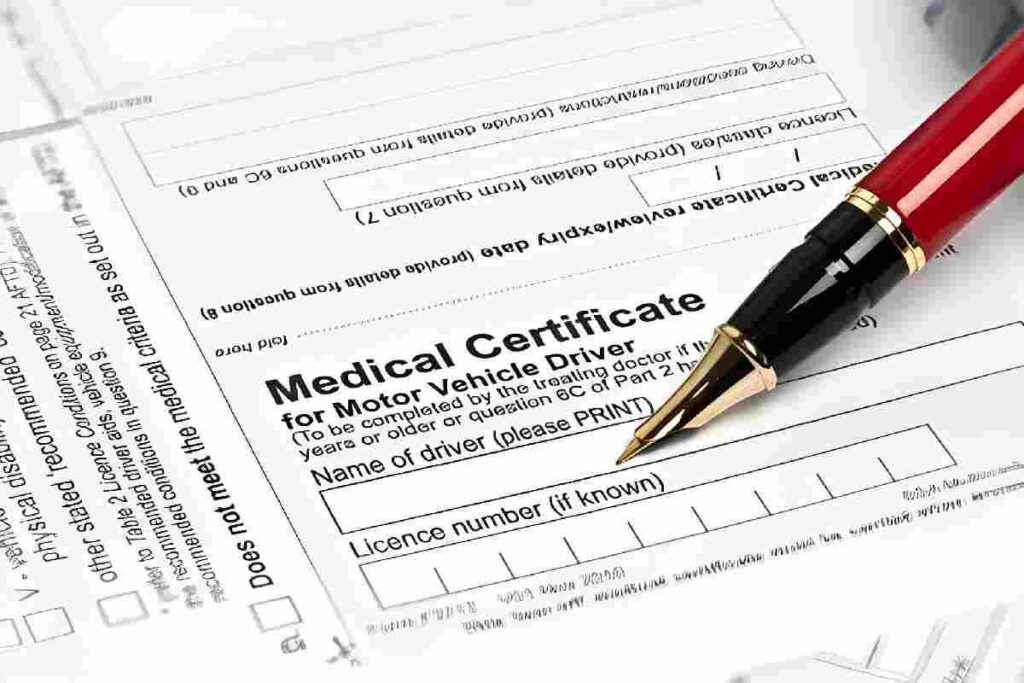
What Even Is a Medical Fitness Certificate?
A medical fitness certificate is basically a doctor’s stamp of approval that says you’re healthy enough to do whatever activity or job you’re signing up for. Think of it as your body’s report card, except instead of grades in math and science, it’s checking whether your heart, lungs, and everything else are working the way they should.
I’ve helped dozens of people navigate this process, and honestly? Most people overthink it. It’s usually a straightforward checkup where a doctor examines you and signs off that you’re good to go.
Why You Can’t Skip the Medical Fitness Certificate Anymore
You know that knot in your stomach when a job offer lands, but then they hit you with “bring your medical fitness certificate“? Or you’re packing for a visa interview, and bam—medical fitness certificate required. I’ve been there, staring at forms, wondering: Is this just paperwork, or do they really care if my blood pressure’s up from too much chai? What if my old knee injury from pickup basketball pops up? Will it tank my chances?
Truth is, a medical fitness certificate is your green light from a doc saying you’re good to go—fit for work, travel, driving, or whatever’s next. No jargon, just a straightforward health checkup proving you’re not a risk to yourself or others. I’ve gotten a few over the years for trucking gigs and overseas moves, and let me tell you, getting it right saves headaches.
Back in 2018, I applied for a long-haul truck job. Felt unstoppable after acing the road test, but they asked for a medical fitness certificate—aka DOT physical for commercial drivers. Blew it off at first, thinking “I’m healthy, what’s the big deal?” Next thing, offer withdrawn. Lesson learned: These certs aren’t optional. They’re backed by regs from the U.S. Department of Transportation and state health boards.
They’re everywhere now:
-
Jobs: Factories, pilots, construction—any role with safety risks needs a physical exam to check vision, hearing, heart stuff.
-
Visas/Travel: US embassies or countries like UAE demand it for pre-employment screening.
-
Driving: CDL holders renew every 1-2 years; even some states want it for seniors.
-
Sports/Insurance: Gym memberships or policies might ask for a doctor’s note for work equivalent.
Skip it, and doors slam. I know a buddy who lost a warehouse spot because his expired cert flagged high sugar levels—caught early, fixed it, got the job later.
My Step-by-Step Hunt for a Legit Medical Fitness Certificate
First time I needed one, I Googled “nearby clinic” and showed up clueless. Wasted half a day. Here’s how I do it now—simple, no mess.
Step 1: Figure Out Your Type
Not all medical fitness certificates are the same. Pick based on need:
-
Employment: Often a basic fitness for duty form with vitals, lungs, and spine check.
-
DOT/Commercial: Eyes (20/40 vision), hearing test, blood pressure under 140/90.
-
Visa: Chest X-ray for TB, HIV test, full blood work—labs like Quest Diagnostics handle these.
Pro tip: Check the exact form online. For visas, download from the embassy site.
Step 2: Find the Right Doc
Go to authorized spots—family docs for basics, FMCSA-certified for trucking.
-
Clinics: Urgent cares like Concentra do quick physical exams for $50-150.
-
Online Options: Telehealth for prelim checks, but in-person seals it.
-
Cost? $60-200, covered by some employers.
I hit a strip-mall clinic last year—doc was chill, done in 30 minutes.
Step 3: Prep Like a Boss
Don’t wing it. Medical fitness certificates flag fixable stuff.
Quick Prep Checklist:
-
Fast if needed: Blood work? No food 8-12 hours.
-
Meds list: Bring everything—blood pressure pills are fine, but disclose.
-
Old records: Knee MRI from ’22? Share it.
-
Hydrate & rest: Makes tests easier.
Story time: I once chugged coffee before a BP check—reading spiked to 150/95. Doc said “reschedule.” Fixed my habits, passed next time.
Step 4: The Exam Breakdown
It’s not scary—think annual checkup on steroids.
What They Check (And Why):
-
Vitals: Heart rate, BP, weight—rules out heart disease risks.
-
Eyes/Ears: Read a line, whisper test—safety first for drivers.
-
Lungs/Heart: Listen with stethoscope, EKG if flagged.
-
Muscles/Joints: Bend, lift—fitness for duty proof.
-
Urine/Blood: Diabetes, kidneys—semantics like metabolic panel.
If issues pop (like my buddy’s prediabetes), they give 90 days to fix. No fail, just “not yet.”
Step 5: Get It Signed and Validated
Doc stamps it, good for 3-12 months usually. Digital versions? Some states allow via eMedNY. For visas, notarize or apostille.
Common Pitfalls That Wreck Your Medical Fitness Certificate—And Fixes
I’ve seen folks tank theirs over dumb stuff. Here’s the real talk.
Pitfall 1: Wrong Doc
Family GP might not do DOT certs. Fix: Use FMCSA registry—over 40,000 certified pros.
Pitfall 2: Hidden Conditions
Glasses fine? Still test uncorrected vision. My astigmatism needed endorsement.
Pitfall 3: Expired Meds or Habits
Smoking? Quit 24 hours before. Booze night prior? BP jumps.
Real Fix List for Tricky Spots:
-
High BMI: Lose 5-10 lbs quick—walk 30 mins daily.
-
Vision Issues: Get prescription updated; LASIK if serious.
-
Hearing Aids: Allowed, but test without first.
-
Mental Health: Disclose therapy? Most certs don’t deep-dive unless suicidal flags.
One pal failed vision for truck driving—switched jobs, no sweat.
Medical Fitness Certificate for Special Gigs: Trucking, Flying, and More
Trucking/CDL Holders
DOT physical is king. I renewed mine last month—$80 at a truck stop clinic. Checks:
-
No insulin for diabetes (Type 2 okay with waiver).
-
Sleep apnea test if BMI over 30.
FMCSA stats: 10% fail first try, but 80% pass after fixes.
Pilots and Aviation
FAA Class 1-3 certs via Aviation Medical Examiners (AMEs). Stricter—EKGs mandatory over 35. My cousin’s a pilot; he swears by annual eye drops for dry cabin air.
Visa and Immigration
For US work visas, panel physicians via USCIS. TB test, syphilis screen—$300-500. I did one for Dubai; X-ray cleared me despite old cough.
Seniors and Renewals
Over 70? Some states want annual medical fitness certificate for licenses. Easy: Basic cognitive screen, reaction test.
Boosting Your Odds: Lifestyle Hacks Before the Physical Exam
Don’t just show up—stack the deck.
Daily Habits That Nail It:
-
Move: 10k steps—drops BP 5 points.
-
Eat Clean: Veggies, no salt bombs.
-
Sleep: 7 hours; fatigue mimics issues.
-
Stress Down: Breathe deep—cortisol spikes everything.
From experience: Two weeks of this, my numbers dropped 10 points. Felt like a cheat code.
If You Fail? Don’t Panic
90-day grace usually. See specialist:
-
Cardiologist for heart flags.
-
Endocrinologist for sugar.
-
Optometrist for eyes.
I fixed mild hypertension with diet; cert approved.
Cost Breakdown and Where to Save
| Type | Avg Cost | Where to Get | Duration |
|---|---|---|---|
| Basic Employment | $60-100 | Urgent Care | 6-12 months |
| DOT Physical | $50-150 | Truck Stops/Concentra | 1-2 years |
| Visa Full Panel | $300-500 | Approved Clinics | 6 months |
| FAA Pilot | $100-200 | AMEs | 6-12 months |
Wrapping It Up: Your Medical Fitness Certificate Game Plan
Getting a medical fitness certificate feels like a hurdle, but it’s your ticket forward. Prep smart, hit the right doc, fix what you can—I’ve turned “no” into “yes” twice now. Next time you’re sweating a job or visa, remember: It’s not about perfect health; it’s about being fit enough for the gig.