
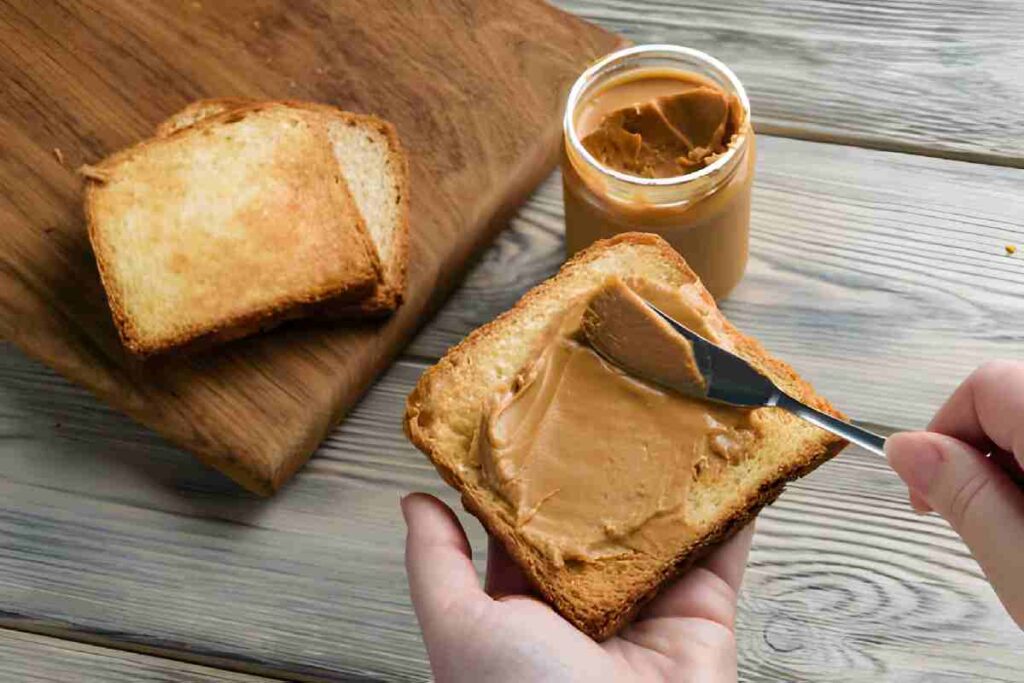
What exactly is my fitness peanut butter?
At its core, my fitness peanut butter is exactly what it sounds like — peanuts, ground into a smooth or crunchy spread, focused on clean nutrition and fitness-friendly macros.
What sets it apart from regular peanut butter is usually:
-
No hydrogenated oils
-
No refined sugar
-
No unnecessary fillers
-
Higher protein focus
-
Simple ingredient list
In plain words?
It’s peanut butter that doesn’t try to sneak junk into your diet.
Why is my fitness peanut butter so popular right now?
I noticed one thing fast — people aren’t just buying it for taste. They’re buying it because it fits into their routine.
Here’s why it’s blowing up:
-
More people care about label reading
-
Fitness is no longer niche — it’s mainstream
-
High-protein foods are in demand
-
People want snacks that feel indulgent but aren’t trash
My fitness peanut butter hits that sweet spot between comfort food and smart eating.
What Actually Makes Fitness Peanut Butter Different?
So here’s what annoyed me about regular grocery store peanut butter – there’s so much random stuff in there. Added sugars, weird oils, ingredients that sound like they belong in a chemistry lab. I remember picking up this jar of Skippy one day, flipping it over, and seeing “sugar” listed second. I was like, wait, what?
What I actually look for now:
- Clean ingredients – literally just peanuts, maybe salt if I’m feeling fancy
- Solid protein content – at least 7-8 grams per serving
- The good fats that actually help with recovery
- Zero added sugars or hydrogenated oils
This wasn’t about jumping on some health trend. I genuinely wanted to feel better during workouts and actually see progress.
The Protein Thing Nobody Talks About
Can we talk about protein for a sec? When I finally downloaded MyFitnessPal and started tracking (which was honestly annoying at first), I realized I was nowhere near my protein goals. Like, not even close. And yeah, protein shakes are fine, but sometimes you just want actual food.
Natural peanut butter saved me here. Two tablespoons pack around 7-8 grams of protein, plus those healthy fats keep you satisfied for hours. Started throwing it in my pre-workout snacks, blending it into smoothies after the gym, even mixing it into my morning oatmeal.
Combos that actually work for me:
- PB on Dave’s Killer Bread with banana
- Greek yogurt (the full-fat kind) with a big spoonful of peanut butter
- Apple slices and peanut butter when I need something quick
- Protein smoothies with peanut butter, almond milk, whatever frozen fruit I have
The best part? You can eat it a million different ways and never get bored.
Ingredients breakdown (the part most people skip)
Let’s slow down here, because this is where trust is built.
Most my fitness peanut butter variants keep things simple:
-
Roasted peanuts
-
Sometimes a pinch of salt
-
Optional variants with:
-
Dark chocolate
-
Honey
-
Jaggery
-
Whey protein
-
That’s it.
No:
-
Palm oil
-
Corn syrup
-
Artificial preservatives
-
Weird chemical names you can’t pronounce
That simplicity matters more than people think.
Nutrition profile: what are you actually eating?
This is where my fitness peanut butter earns its reputation.
Typical nutritional highlights (per serving):
-
High protein – helps with muscle recovery and satiety
-
Healthy fats – mostly unsaturated fats
-
Low sugar – especially in unsweetened versions
-
Good calories – energy that lasts, not spikes
Translation?
You stay full longer, you don’t crash, and your snack actually works for you.
Is my fitness peanut butter good for weight loss?
Short answer: Yes — if you use it right.
Longer, honest answer:
Peanut butter is calorie-dense. That’s not a bad thing — but portion control is key.
Why it helps with fat loss:
-
Keeps you full longer
-
Reduces random snacking
-
Stabilizes blood sugar
-
Helps stick to calorie goals
Where people mess up:
-
Eating it straight from the jar (we’ve all been there)
-
Forgetting serving sizes exist
-
Pairing it with sugar-loaded bread daily
Pro tip:
Stick to 1–2 tablespoons, pair it with protein or fiber, and you’re golden.
Can you eat my fitness peanut butter every day?
I do — and a lot of people I know do too.
Daily use is totally fine if:
-
You’re mindful of portions
-
You choose the right variant
-
It fits your calorie needs
Great daily use ideas:
-
Morning toast with whole grain bread
-
Pre-workout energy snack
-
Post-workout with fruit
-
Midday hunger control
It’s not about restriction — it’s about balance.
Is my fitness peanut butter good for muscle building?
This is where it really shines.
Why gym folks love it:
-
High-calorie density (easy bulking)
-
Decent protein content
-
Healthy fats support hormones
-
Pairs well with shakes and oats
I’ve seen people struggle to eat enough during bulking phases. My fitness peanut butter makes it easier without forcing food down.
Add it to:
-
Protein smoothies
-
Oatmeal
-
Rice cakes
-
Banana sandwiches
Easy calories, clean fuel.
Smooth vs crunchy: does it matter?
Nutritionally?
Not much.
Personally?
-
Smooth:
-
Easier to spread
-
Better for shakes
-
Feels indulgent
-
-
Crunchy:
-
More texture
-
Slower eating (helps portions)
-
Feels more “real food”
-
Choose based on preference — not trends.
Sweetened vs unsweetened my fitness peanut butter
This is important.
Unsweetened:
-
Best for fat loss
-
No sugar spikes
-
More control over taste
-
Great for daily use
Sweetened (jaggery, honey, chocolate):
-
Better for bulking
-
Tastes dessert-like
-
Still cleaner than regular spreads
-
Great in moderation
If you’re unsure, start unsweetened. You can always upgrade later.
Does my fitness peanut butter cause acne or bloating?
This comes up a lot.
Truth is:
-
Peanut butter doesn’t cause acne
-
Overeating anything can cause issues
-
Some people react to peanuts individually
To avoid problems:
-
Stick to clean versions
-
Avoid added sugar
-
Drink enough water
-
Don’t overdo portions
Your body always tells the truth — listen to it.
How I personally use my fitness peanut butter
Keeping it real here.
On busy days:
-
1 slice whole grain toast
-
1 tablespoon peanut butter
-
Black coffee
Post-workout:
-
Banana + peanut butter combo
Late-night cravings:
-
Spoon + portion control
-
No guilt, no spiral
It’s become a tool, not a temptation.
Common mistakes people make with my fitness peanut butter
Let’s save you from frustration.
-
Treating it like a low-calorie food (it’s not)
-
Eating directly from the jar daily
-
Pairing it only with sugar-heavy foods
-
Ignoring serving size info
-
Buying flavored versions without reading labels
Smart use beats blind use.
Is my fitness peanut butter better than regular peanut butter?
In most cases — yes.
Why?
-
Cleaner ingredients
-
Better macro balance
-
No hidden junk
-
Fitness-friendly
That doesn’t mean regular peanut butter is “bad.”
It just means my fitness peanut butter is more intentional.
Who should avoid or limit it?
Being honest here.
You might want to limit or be cautious if:
-
You’re allergic to peanuts
-
You struggle with portion control
-
You’re on a very low-fat medical diet
Otherwise, it fits most lifestyles.
How to store my fitness peanut butter properly
Quick but important.
-
Stir well if oil separates
-
Keep lid tightly closed
-
Store in a cool, dry place
-
Refrigeration is optional (depends on texture preference)
No need to overthink it.
Final thoughts on my fitness peanut butter
My fitness peanut butter isn’t magic.
It won’t give you abs overnight or fix a bad diet.
But what it does do:
-
Makes healthy eating easier
-
Adds satisfaction to meals
-
Supports fitness goals
-
Keeps snacks clean and simple
Used mindfully, it’s one of those pantry staples that just makes life easier — especially when motivation dips but hunger doesn’t.
If you’re looking for a snack that feels good and does good, my fitness peanut butter deserves a spot on your shelf.
And yes — my fitness peanut butter is still worth it when used smartly.