If you’re tired of dealing with frizz, rough texture, dullness, or unmanageable hair, you’ve probably come across nanoplastia hair treatment while searching for smoother and shinier hair.
In simple terms, nanoplastia hair treatment is a hair-smoothing and hair-restructuring salon procedure that aims to reduce frizz, improve softness, and make hair easier to manage for weeks or months.
In India, this treatment has become popular among people who want a sleeker look without choosing a harsh-looking pin-straight finish. But before booking an appointment, it’s worth understanding how it works, who it suits, what it costs, and what salons often don’t explain clearly.
What Is Nanoplastia Hair Treatment?
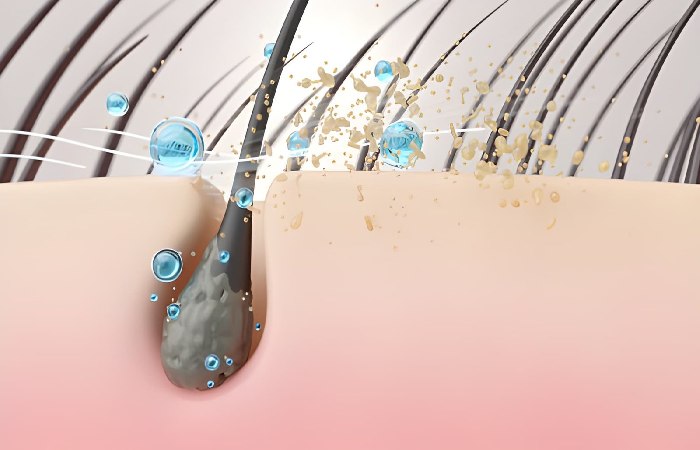
Nanoplastia hair treatment is a professional salon treatment designed to smooth the hair cuticle, reduce frizz, improve shine, and soften the overall texture of the hair.
It is usually marketed as a newer-generation smoothing treatment that uses:
- amino acids
- proteins
- conditioning agents
- organic acids
- heat activation
The goal is not always “poker straight” hair. Instead, the treatment is generally meant to give:
- smoother texture
- less puffiness
- reduced tangling
- easier styling
- more polished-looking hair
Simple definition:
Nanoplastia is a salon hair-smoothing treatment that helps make frizzy or unmanageable hair softer, shinier, and easier to style for a longer period.
That’s the easiest way to understand it.
How Does Nanoplastia Hair Treatment Work?
The treatment usually works in three main stages:
1. Hair cleansing
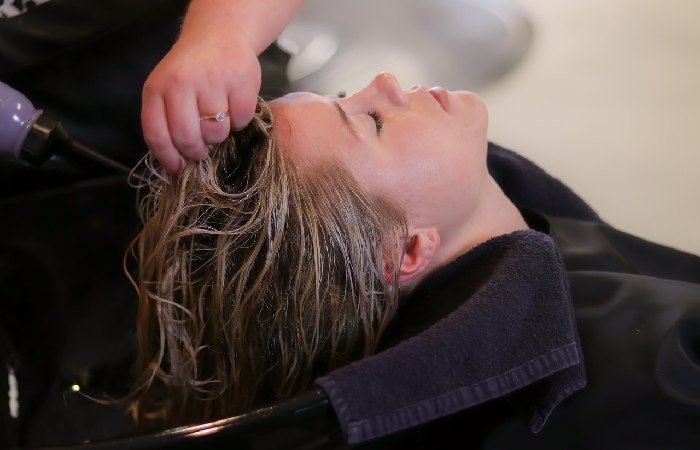
The stylist starts by washing your hair with a clarifying shampoo to remove:
- oil
- dirt
- buildup
- styling residue
This helps the treatment penetrate more evenly.
2. Product application
A nanoplastia formula is applied section by section to the hair.
It is left on for a set time depending on:
- hair thickness
- porosity
- texture
- damage level
3. Blow-dry and heat sealing
The hair is then blow-dried and flat-ironed to seal the formula into the strands.
This is the most important part because heat helps create the smoother finish.
Who Is Nanoplastia Hair Treatment Best For?
Nanoplastia is usually best for people who have:
- frizzy hair
- dry and rough hair
- chemically treated hair
- wavy or slightly curly hair
- high-humidity hair problems
- hard-to-manage hair in Indian weather
It may be especially useful in India if:
- your hair gets puffy during monsoon
- you use heat styling often
- you want low-maintenance salon-finished hair
- you want smoother hair without daily straightening
Who Should Avoid or Be Cautious About Nanoplastia?
This is the part many blogs skip.
Nanoplastia may not be ideal if:
- your hair is already severely damaged
- you have extreme breakage
- you recently had bleaching or heavy chemical work
- your scalp is very sensitive
- you are expecting bone-straight permanent results
- you have very fine hair that loses volume easily
Be cautious if:
- your hair is falling excessively
- you have scalp irritation
- you frequently color your hair
- you want to preserve natural curls completely
Because while nanoplastia may improve smoothness, it can also alter the natural texture temporarily, especially when high heat is used.
Nanoplastia Hair Treatment Benefits
The main reason people choose nanoplastia hair treatment is because of manageability.
Key benefits include:
1. Reduces frizz
This is the biggest benefit. Hair often looks more controlled and less fluffy.
2. Adds shine
Hair may appear glossier and healthier after the treatment.
3. Makes styling easier
Blow-drying and brushing usually take less time afterward.
4. Improves softness
Hair often feels smoother to touch.
5. Helps in humid weather
This is especially useful in Indian cities where humidity causes hair to puff up quickly.
6. May create a more polished look
The hair can look more salon-finished even without daily styling.
Drawbacks and Possible Side Effects
No salon treatment is perfect, and nanoplastia is no exception.
Possible drawbacks include:
- temporary flatness or reduced volume
- dryness if aftercare is poor
- disappointment if expectations are unrealistic
- damage risk if done on already weak hair
- heat-related stress to strands during ironing
- uneven results if the stylist is inexperienced
Common complaints people report:
- “It didn’t make my hair as straight as expected”
- “My hair became flat near the roots”
- “The effect faded too soon”
- “My hair felt nice at first but later became dry”
That usually happens because of:
- poor product quality
- wrong hair diagnosis
- overheating
- cheap salon shortcuts
- wrong home care
Nanoplastia Hair Treatment vs Keratin: Which Is Better?
This is one of the most searched questions in India.
| Feature | Nanoplastia Hair Treatment | Keratin Treatment |
|---|---|---|
| Main purpose | Smoothing, frizz control, shine | Smoothing, repair-like finish, frizz control |
| Hair finish | Natural smooth to semi-straight | Soft smooth finish |
| Heat used | Yes | Yes |
| Best for | Frizz, rough texture, manageability | Frizz, dullness, dryness |
| Result style | Sleeker, polished | Softer, conditioned feel |
| Maintenance | Medium | Medium |
Which is better?
It depends on your goal.
Choose nanoplastia if you want:
- a smoother finish
- reduced puffiness
- easier styling
Choose keratin if you want:
- softer feel
- frizz reduction
- more conditioning-focused results
Best practical answer:
Nanoplastia is not automatically “better” than keratin — it is simply better for certain hair goals.
How Long Does Nanoplastia Hair Treatment Last?
This depends on:
- hair type
- shampoo used
- washing frequency
- salon quality
- heat exposure
- aftercare
In many cases, results may last:
around 2 to 5 months
Some people see shorter or longer duration depending on how well they maintain it.
It may fade faster if:
- you wash your hair very frequently
- you use harsh shampoos
- you swim often
- you use sulfate-heavy products
- your hair is naturally very resistant
Nanoplastia Hair Treatment Cost in India
The cost of nanoplastia hair treatment in India can vary a lot depending on:
- city
- salon reputation
- hair length
- hair density
- product brand
- stylist expertise
Typical pricing factors:
- Short hair – lower cost
- Medium hair – mid-range cost
- Long or thick hair – higher cost
Usually, premium salons charge more because of:
- better products
- trained stylists
- safer application
- better post-treatment guidance
Important:
If the price feels too cheap, that’s often a red flag.
Because with smoothing treatments, the biggest risks usually come from:
- poor-quality formulas
- untrained technicians
- overheating the hair
What to Do Before Getting Nanoplastia
Before booking, do these checks:
Ask the salon:
- Which brand/product are you using?
- Is it suitable for colored or damaged hair?
- Will it make my hair straight or just smoother?
- How long will results realistically last?
- What aftercare products do I need?
Also do this:
- get a proper hair consultation
- mention all previous treatments
- disclose bleach, color, or rebonding history
- ask for a strand test if your hair is fragile
This step can save you from major disappointment.
Nanoplastia Hair Treatment Aftercare
This is where results are won or lost.
Aftercare tips:
Use a gentle shampoo
Prefer a salon-recommended or mild formula.
Avoid over-washing
Frequent washing can reduce the longevity of the finish.
Limit heat styling
Too much heat can dry the hair over time.
Use a hair mask
Weekly hydration helps keep the hair soft.
Avoid rough towel drying
This increases friction and breakage.
Trim split ends regularly
This helps maintain a smoother appearance.
Common Mistakes People Make After Nanoplastia
These mistakes often ruin the results too early:
- using harsh shampoo
- coloring hair immediately without advice
- tying hair too tightly often
- skipping conditioner
- using very hot tools daily
- expecting permanent straightening
Best rule:
Nanoplastia is a maintenance treatment, not a lifetime fix.
Myths vs Facts About Nanoplastia Hair Treatment
Myth 1: It works the same for everyone
Fact: Results vary a lot by hair type, damage level, and salon quality.
Myth 2: It is always completely damage-free
Fact: Any treatment involving high heat needs proper technique.
Myth 3: It gives permanent straight hair
Fact: It is generally a semi-long-lasting smoothing treatment, not always permanent straightening.
Myth 4: Aftercare doesn’t matter
Fact: Aftercare strongly affects how long results last.
Is Nanoplastia Hair Treatment Worth It?
For many people in India, yes — if your main issue is frizz, roughness, and daily hair manageability.
It can be worth it if:
- your hair gets unmanageable in humidity
- you want a smoother salon look
- you’re tired of daily straightening
- you are okay with maintenance
It may not be worth it if:
- you want guaranteed pin-straight results
- your hair is already highly damaged
- you want zero upkeep
Final Thoughts
If you’re considering nanoplastia hair treatment, the most important decision is not just the treatment itself — it’s where you get it done and how well you maintain it afterward.
In India, where humidity, pollution, hard water, and heat styling can make hair harder to manage, nanoplastia hair treatment can be a useful salon option for the right hair type. But the best results usually come from realistic expectations, a trusted stylist, and good aftercare.
If you want smooth, polished, low-frizz hair without depending on daily styling, nanoplastia hair treatment may be a practical option worth exploring.
FAQs
Is nanoplastia hair treatment safe?
It can be safe when done by a trained professional on suitable hair, but results and safety depend heavily on the product used, hair condition, and heat application.
Does nanoplastia damage hair?
It may not damage all hair types, but if your hair is already weak or the treatment is done incorrectly, dryness or breakage can happen.
How long does nanoplastia hair treatment last?
For many people, results may last around 2 to 5 months depending on hair type, aftercare, and product quality.
Is nanoplastia better than keratin?
Not always. Nanoplastia may suit people wanting smoother texture and frizz control, while keratin may suit those looking for softness and manageability.
Can I color my hair after nanoplastia?
You should ideally ask your stylist first, because timing matters and doing color too soon may affect results.
Is nanoplastia good for curly hair?
It can reduce frizz and loosen texture in some curly hair types, but it may also temporarily alter the curl pattern.