Retinal Shot Tightening Booster is best understood as a texture-smoothing and anti-aging treatment that can make skin look firmer over time—but only when used correctly, consistently, and with realistic expectations.
If you are searching for a product that makes skin look tighter, smoother, and younger, this kind of booster probably caught your attention fast. The problem is that skincare marketing often makes “tightening” sound immediate, dramatic, and almost procedure-like.
That is where most people get disappointed.
Here’s the straight answer: a retinal-based tightening booster can help improve fine lines, rough texture, dullness, and mild loss of firmness—but it won’t physically lift sagging skin the way in-office treatments can. What it can do, if formulated well and used consistently, is help your skin look more refined, more even, and firmer over time.
Key Takeaways
- Retinal is usually more effective than standard retinol for visible anti-aging results.
- This type of booster may help with wrinkles, texture, pores, and dull-looking skin.
- “Skin tightening” in skincare usually means firmer-looking and smoother, not dramatic lifting.
- The biggest mistake is using too much, too fast.
- Most users need 6–12 weeks of consistent use to judge results properly.
- Use it at night and wear sunscreen every morning.
What Is Retinal Shot Tightening Booster?
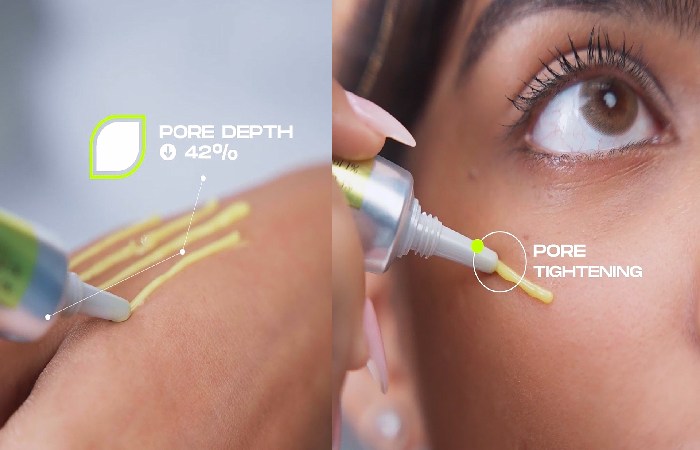
A Retinal Shot Tightening Booster is typically a skincare treatment designed to combine retinal (retinaldehyde) with supporting ingredients that target:
- early wrinkles
- rough skin texture
- enlarged-looking pores
- uneven skin tone
- mild skin laxity or “tired” skin appearance
Let’s break that down:
- Retinal = a vitamin A derivative used in anti-aging and texture-refining skincare
- Shot = usually marketing language suggesting a more concentrated or active treatment
- Tightening booster = a product positioned to improve the appearance of firmness and easticity
So in plain English, this is usually a night treatment aimed at making skin look smoother, fresher, and firmer over time.
That is important because many users buy it expecting a “face lift in a bottle.” That is not how retinal works.
What Does Retinal Actually Do for Skin?
Retinal helps speed up skin renewal and supports smoother, more refined-looking skin. It is part of the retinoid family, which is one of the most studied categories in cosmetic dermatology.
Retinal vs Retinol vs Prescription Retinoids
Here is the simple version:
| Ingredient | Strength Level | Typical Results Speed | Irritation Risk | Best For |
|---|---|---|---|---|
| Retinol | Mild to moderate | Slower | Lower to moderate | Beginners |
| Retinal | Moderate to strong | Faster than retinol | Moderate | Users wanting stronger visible results |
| Retinoic acid / tretinoin | Strongest | Fastest | Highest | Prescription-level treatment |
Why retinal matters
Retinal is often seen as the “smart middle ground”:
- stronger than many over-the-counter retinol products
- often more effective for visible texture and wrinkle improvement
- still easier for many users to tolerate than prescription retinoids
That makes it appealing if your goal is not just glow—but visible skin refinement.
Can Skincare Really “Tighten” Skin?
This is the part brands often avoid explaining.
Yes, skincare can make skin look tighter—but no, it cannot physically tighten deeper sagging tissue the way procedures can.
What retinal may improve:
- fine lines
- roughness
- dullness
- pore appearance
- mild crepiness
- overall firmness appearance
What it usually cannot fix on its own:
- advanced skin laxity
- jowling
- heavy sagging
- deeper volume loss
So if your skin looks “looser” because it is rough, dehydrated, or losing surface smoothness, this type of product can help. If you are expecting a visible lift, you may need to reset expectations.
That honesty matters more than hype.
Key Benefits of Retinal Shot Tightening Booster
1) It may soften fine lines and early wrinkles
This is one of the strongest reasons people use retinal.
With consistent use, retinal may help improve the look of:
- forehead lines
- smile lines
- under-eye texture (only if specifically safe for that area)
- fine creases around the mouth
This does not happen overnight. But over several weeks, skin often begins to look:
- smoother
- less creased
- more “rested”
2) It can improve rough texture
If your skin feels:
- bumpy
- uneven
- dull
- “thick” or congested
…retinal often helps more than people expect.
This is actually where many users notice improvement first. Before wrinkle reduction becomes obvious, they often see:
- smoother touch
- more even makeup application
- brighter-looking skin
- less flaky roughness (after the adjustment phase)
3) It may help pores look smaller
Retinal does not physically shrink pores forever. But it can help pores look less noticeable by improving:
- surface texture
- oil congestion
- cell turnover
That is why some people describe their skin as “tighter” after using it. Sometimes what they are really noticing is smoother texture and less visible pore stretching.
4) It may improve uneven tone and post-acne marks
If your skin has:
- mild pigmentation
- old acne marks
- uneven dullness
- patchy tone
Retinal may help improve the look of skin clarity over time.
This is especially useful for users who do not just want anti-aging—they want overall better skin quality.
5) It can make skin look firmer over time
This is the most misunderstood benefit.
A good retinal booster may help skin appear firmer because it improves:
- surface smoothness
- texture quality
- wrinkle visibility
- skin freshness
That combination often creates the visible impression of “tightening.”
And honestly, for many users, that is what they are really after.
Who Should Use It—and Who Should Skip It?
Retinal products are not for everyone.
Best for:
- beginners ready to move beyond basic anti-aging skincare
- users with early fine lines
- dull or rough skin
- enlarged-looking pores
- post-acne texture
- mild firmness concerns
- people building a proper night routine
May not be ideal for:
- very sensitive or barrier-damaged skin
- active eczema or severe irritation-prone skin
- people already overusing acids and actives
- anyone expecting instant lifting
- users who never wear sunscreen
Skip or pause and ask a professional if:
- you are pregnant or breastfeeding
- your skin is actively inflamed or peeling
- you are already on a prescription retinoid unless guided otherwise
If your skin barrier is weak, retinal can backfire fast. In that case, a barrier repair routine is often more useful first than adding another active.
Internal link idea: Link here to your article on how to repair damaged skin barrier.
How to Use Retinal Shot Tightening Booster Correctly
This is where most results are won—or lost.
The biggest skincare mistake is not “choosing the wrong product.” It is using the right product badly.
Beginner Routine (Best Starting Point)
Use it 2 nights per week for the first 2–3 weeks.
Night routine:
- Gentle cleanser
- Light hydrating serum (optional)
- Retinal Shot Tightening Booster
- Moisturizer
Morning routine:
- Gentle cleanser
- Moisturizer
- Broad-spectrum sunscreen
That is enough.
You do not need a 10-step routine to make retinal work.
Intermediate Routine
Once your skin tolerates it well, you can increase to:
- every other night
- then potentially nightly if your skin handles it
But “more often” is not always “better.” If your skin becomes:
- tight
- shiny-red
- flaky
- stinging
…you are likely overdoing it.
Common Layering Mistakes
Do not pair it aggressively with:
- strong exfoliating acids every night
- benzoyl peroxide unless compatible and tolerated
- multiple actives in one routine
- harsh scrubs
Usually safer pairings:
- ceramides
- hyaluronic acid
- niacinamide
- simple moisturizers
- barrier-support products
Vitamin C?
Usually better in the morning, not layered aggressively with retinal at night if your skin is sensitive.
Peptides?
Often fine and a good complement.
Niacinamide?
Usually one of the easiest and most practical combinations.
How Long Does It Take to See Results?
This is where expectations usually go wrong.
Weeks 1–2
You may notice:
- mild dryness
- slight peeling
- little visible “tightening”
At this stage, many users wrongly assume the product is not working.
Weeks 3–6
This is where early changes often appear:
- smoother skin
- more even texture
- brighter-looking complexion
- better makeup finish
Weeks 6–12
This is the more realistic window to judge:
- fine line improvement
- texture refinement
- pore appearance
- firmer-looking skin
If you are not seeing results, ask:
- Am I using it consistently?
- Am I overusing it and irritating my skin?
- Am I expecting lifting instead of texture improvement?
- Is the rest of my routine sabotaging my skin barrier?
That last question is a big one. Many people blame the retinal when the real issue is an overloaded routine.
Side Effects and Precautions
Retinal can be effective, but it is not side-effect free.
Common side effects
- dryness
- flaking
- redness
- tightness
- temporary irritation
- occasional purging in acne-prone users
Signs you are overdoing it
- burning
- shiny irritated skin
- persistent redness
- painful peeling
- stinging even with moisturizer
If that happens:
- reduce frequency
- simplify your routine
- focus on barrier repair
- restart slowly
Important precautions
- Use at night
- Wear daily sunscreen
- Avoid applying to compromised skin
- Patch test if you are reactive
If you skip sunscreen while using retinal, you are making your routine harder than it needs to be.
Internal link idea: Link here to your guide on best sunscreen after retinol/retinal.
Retinal Shot Tightening Booster vs Other Anti-Aging Products
This is where buying decisions become easier.
Comparison Table
| Product Type | Best For | Strength | Irritation Risk | Tightening Effect | Texture Improvement | Worth It For |
|---|---|---|---|---|---|---|
| Retinal Shot Tightening Booster | Fine lines, texture, pores, early aging | Medium-High | Medium | Moderate cosmetic firming | High | Users wanting visible anti-aging progress |
| Retinol Serum | Beginners | Medium | Low-Medium | Mild | Moderate | First-time retinoid users |
| Peptide Serum | Supportive anti-aging | Mild | Low | Mild | Mild | Sensitive skin routines |
| Niacinamide Serum | Oil, pores, tone support | Mild | Low | Mild | Mild-Moderate | Daily balancing |
| In-clinic tightening treatment | Laxity and lifting concerns | High | Varies | Stronger | Varies | Advanced firmness concerns |
Retinal Shot Tightening Booster vs Retinol
Choose retinal if:
- you want stronger visible results
- standard retinol felt too mild
- your main goals are texture and visible anti-aging
Choose retinol if:
- you are very new to actives
- your skin gets irritated easily
- you want a gentler entry point
Retinal Shot Tightening Booster vs Peptides
Peptides are often easier and gentler, but they usually do not deliver the same level of visible texture and wrinkle improvement as a well-used retinal product.
Think of it like this:
- Retinal = active correction
- Peptides = support and maintenance
Retinal Shot Tightening Booster vs Niacinamide
Niacinamide is excellent—but it solves a different problem.
Niacinamide is better for:
- oil balance
- redness support
- barrier support
- mild tone concerns
Retinal is usually better for:
- visible texture
- fine lines
- stronger anti-aging progress
Retinal Shot Tightening Booster vs In-Clinic Skin Tightening
This is the comparison brands often avoid because it exposes the limit of skincare.
If your concern is:
- mild roughness
- early aging
- skin looking “tired”
- slight firmness loss
…retinal may be enough.
If your concern is:
- visible sagging
- jawline laxity
- advanced looseness
…topical skincare will only do so much.
That does not make retinal useless. It just means it belongs in the “improve skin quality” category, not the “replace procedures” category.
Is Retinal Shot Tightening Booster Worth Buying?
Short answer: Yes—if you want visible skin quality improvement and are willing to use it properly.
Shorter answer: No—if you expect instant lifting or cannot commit to sunscreen and consistency.
It is worth it if:
- you want a stronger anti-aging serum than basic retinol
- your skin texture looks rough or dull
- you want help with early wrinkles and pores
- you are okay with a gradual results timeline
- you will use it consistently for at least 8–12 weeks
It may not be worth it if:
- your skin is highly reactive
- you already struggle with irritation
- you want dramatic lifting
- you constantly switch skincare products before they have time to work
Quick Buying Checklist
Before buying, ask:
- Does the formula look beginner-friendly or aggressive?
- Does it also include soothing ingredients?
- Is my current routine simple enough to support a retinal product?
- Am I buying this for realistic reasons or because the word “tightening” sounds exciting?
That last one saves people money more often than they think.
Real Advice: Dos and Don’ts
Dos
- Start slowly
- Use it only at night
- Moisturize properly
- Wear sunscreen daily
- Give it at least 6–12 weeks
- Keep the rest of your routine simple
Don’ts
- Do not use too much product
- Do not combine it with every active you own
- Do not expect overnight lifting
- Do not judge it after 3 days
- Do not ignore irritation
This is one of those products where discipline beats intensity.
Final Verdict
Retinal Shot Tightening Booster is most useful for people who want smoother, fresher, firmer-looking skin—not miracle lifting.
If your real goals are:
- texture improvement
- early anti-aging
- pore refinement
- better skin quality
…it can absolutely be worth trying.
But if you are buying it because “tightening” sounds like a shortcut to lifting sagging skin, it is better to know the truth now: it helps improve skin appearance, not rewrite facial structure.
That may sound less exciting, but it is also what makes this product category actually useful for the right person.
Author / Trust Block Suggestion
Editorial Note: This article evaluates retinal-based skincare using ingredient science, realistic skincare outcomes, and common user experience patterns—not just marketing claims. For persistent irritation, active skin conditions, or prescription retinoid use, consult a dermatologist.
FAQs
1) What is Retinal Shot Tightening Booster used for?
It is mainly used to improve the appearance of fine lines, rough texture, pores, dullness, and mild firmness concerns. It is best thought of as an anti-aging and skin-refining treatment, not a dramatic lifting product.
2) Does Retinal Shot Tightening Booster really tighten skin?
Yes, but only in a cosmetic sense. It can help skin look firmer, smoother, and more refined over time, but it does not physically lift deep sagging skin the way in-clinic treatments can.
3) Is Retinal Shot Tightening Booster better than retinol?
For many users, yes. Retinal is generally considered stronger and faster-acting than standard retinol, which may make it more effective for visible results—but also slightly more irritating if used incorrectly.
4) How long does Retinal Shot Tightening Booster take to work?
Most users need 6 to 12 weeks of consistent use to judge visible results properly. Some texture and glow improvements may appear earlier, but wrinkle and firmness changes usually take longer.
5) Can beginners use Retinal Shot Tightening Booster?
Yes, but beginners should start slowly. The safest approach is usually 2 nights per week, followed by gradual increase depending on how well the skin tolerates it.
6) Can I use Retinal Shot Tightening Booster every day?
Only if your skin handles it well. Many users do better with alternate-night use rather than forcing daily application too early.