
Introduction
The WHOOP fitness band is best understood as a recovery-driven coaching system, not a general fitness tracker—and it only delivers value if you actively change behavior based on its data.
Most people buy fitness wearables expecting motivation. Steps go up, workouts look colorful, and progress feels visible. WHOOP flips that model. It tells you when not to push, when to sleep more, and when your body is under strain—even if you feel fine. That can be empowering… or deeply annoying.
Direct answer: The WHOOP fitness band is worth it for disciplined users who want to optimize recovery and training decisions. It is not worth it if you want a smartwatch, casual activity tracking, or motivation through gamification.
Key Takeaways
-
WHOOP prioritizes recovery, sleep, and readiness over steps.
-
It works best when you adjust behavior daily.
-
No screen reduces distraction but increases app dependence.
-
Subscription cost adds up over time.
-
Excellent for athletes; frustrating for casual users.
What Is the WHOOP Fitness Band—Really?
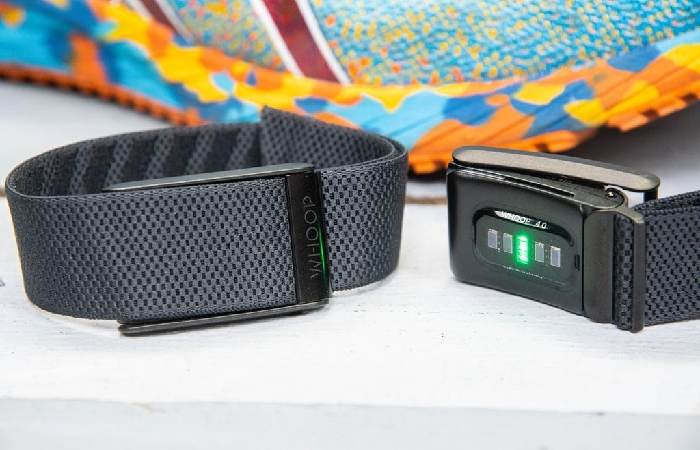
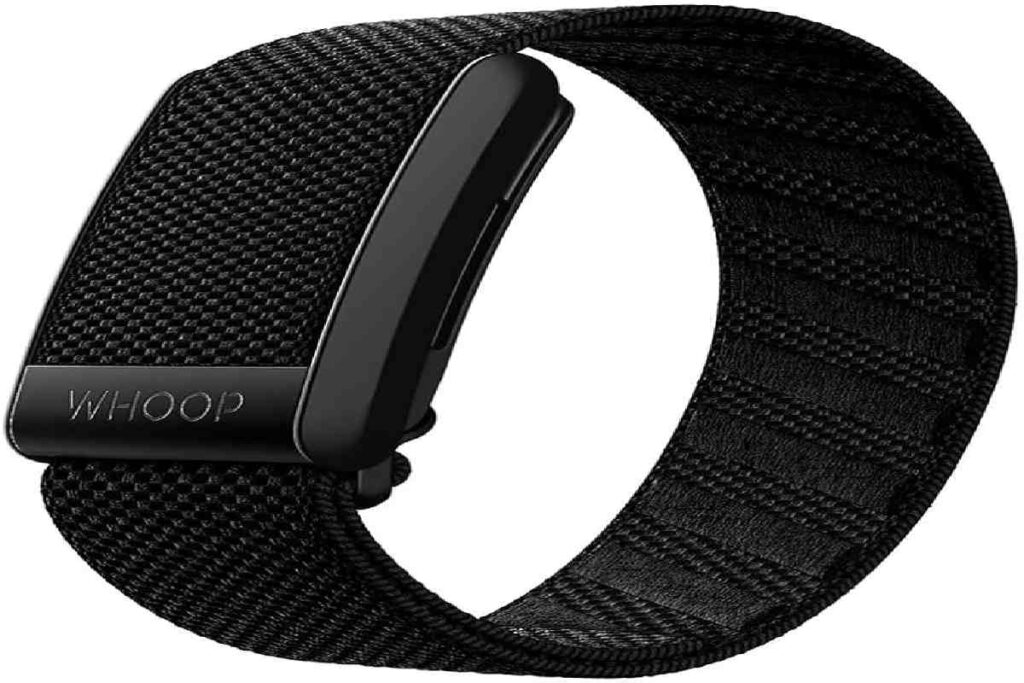
WHOOP is often compared to smartwatches, but that comparison misses the point. The band itself is minimal: no screen, no notifications, no apps. The product is the system—hardware, app, and analytics working together.
Instead of asking “How active were you?”, WHOOP asks:
-
How recovered is your nervous system?
-
How much cardiovascular strain did you accumulate?
-
Did your sleep actually support adaptation?
That framing matters.
How WHOOP Measures Recovery, Strain, and Sleep
WHOOP’s core metrics revolve around physiological signals commonly used in sports science.
Recovery
-
Based on heart rate variability (HRV), resting heart rate, and sleep.
-
Expressed as a readiness percentage, not a diagnosis.
Strain
-
Measures cardiovascular load over the day.
-
Not step-based; a stressful day can increase strain even without workouts.
Sleep
-
The foundation metric.
-
Sleep debt and consistency matter more than total time.
Institutions like the National Sleep Foundation and sports physiology research consistently emphasize recovery quality over sheer training volume—WHOOP operationalizes that idea.
What WHOOP Does Better Than Most Wearables
1. Behavior Change Over Badges
WHOOP doesn’t reward you with fireworks. It nudges decisions:
-
Train hard today or recover?
-
Go to bed earlier or accept lower readiness tomorrow?
2. Long-Term Signal Clarity
By removing screens and notifications, WHOOP reduces noise. Over months, patterns become obvious.
3. Athlete-Centric Design
Endurance athletes, CrossFitters, and competitive trainers benefit most.
Example scenario:
A runner sees consistently low recovery after interval sessions. They reduce intensity slightly and improve sleep timing. Over six weeks, HRV trends upward despite fewer “hard” days.
Where WHOOP Falls Short (and Why That Matters)
No Screen = No Instant Feedback
Some users miss real-time data during workouts.
Data Anxiety Is Real
Daily readiness scores can:
-
Create guilt around rest
-
Encourage over-analysis
-
Lead to decision paralysis
Subscription Fatigue
You don’t “own” WHOOP. You rent the system.
This is where many users quit—not because WHOOP fails, but because it demands consistency and emotional maturity.
WHOOP vs Apple Watch vs Garmin (Conceptual Comparison)
| Use Case | WHOOP | Apple Watch | Garmin |
|---|---|---|---|
| Recovery focus | Excellent | Moderate | Strong |
| Smart features | None | Excellent | Limited |
| Training analytics | Deep | Shallow–medium | Deep |
| Ownership model | Subscription | One-time | One-time |
| Casual fitness | Poor fit | Great | Okay |
WHOOP competes with coaching, not convenience.
Who Should Use WHOOP (and Who Shouldn’t)
Good Fit
-
Structured training plans
-
Sleep and recovery optimization
-
Data-literate users
-
Athletes comfortable resting when told
Poor Fit
-
Step counters
-
Smartwatch lovers
-
Budget-sensitive users
-
Anyone prone to data obsession
WHOOP Fitness Band Price Comparison in India, USA, and UK
| Country | WHOOP Band + 12-Month Membership | Notes / Typical Cost Structure |
| India 🇮🇳 | WHOOP 5.0 Health and Fitness Tracker ~ ₹28,977–₹35,498 | Many listings bundle device + 12 mo membership; Indian prices tend to be higher vs global due to taxes/imports. |
| 12-mo bundle approx ₹20,000–₹30,000 | ||
| USA 🇺🇸 | Device included with membership; typical prepaid ~ $199–$239/yr | WHOOP doesn’t sell device standalone — subscription includes hardware. Annual plans (e.g., One ~ $199, Peak ~ $239). |
| UK 🇬🇧 | Typical £229–£249/yr for 12-mo subscription w/ hardware included | UK pricing cited around £229 for 1 year (sometimes shown in reviews). |
Cost, Commitment, and Long-Term Value
Illustrative scenario:
-
WHOOP subscription over 24 months ≈ premium smartwatch price.
-
Value only emerges if behavior actually changes.
If you ignore the data, it’s expensive jewelry.
Limitations, Risks, and Ethical Considerations
-
WHOOP does not diagnose health conditions.
-
HRV interpretation varies by individual.
-
Data privacy standards differ by region (US vs EU).
Treat insights as guidance, not medical truth.
Final Verdict—Is WHOOP Worth It in 2026?
The WHOOP fitness band is not for everyone—and that’s its strength. For disciplined users who want fewer workouts and better results, it can be transformative. For casual users, it’s overkill.
If you want a coach, choose WHOOP.
If you want a gadget, choose something else.
(WHOOP is developed by WHOOP.)
FAQs
1. Is the WHOOP fitness band good for beginners?
Yes, but only if you’re willing to learn recovery basics and adjust habits. It’s not beginner-friendly in a “plug and play” way.
2. Does WHOOP track steps?
No. WHOOP intentionally avoids step counting to focus on strain and recovery.
3. Can WHOOP replace a smartwatch?
No. It complements or replaces coaching, not smart features.
4. Is WHOOP worth the subscription cost?
It is worth it if you change behavior based on insights. Otherwise, no.
5. Does WHOOP help with sleep improvement?
Yes. Sleep coaching is one of its strongest use cases.
6. Is WHOOP accurate for heart rate and HRV?
Generally reliable for trends, not medical diagnosis.
7. Can WHOOP cause overtraining or anxiety?
It can if users become overly dependent on daily scores.
8. Who should not buy WHOOP?
Casual users, step-focused users, and smartwatch fans.
9. Does WHOOP work for strength training?
Moderately. It favors cardiovascular load over pure lifting metrics.
10. Is WHOOP suitable outside the US?
Yes, but data policies and support experiences may vary by region