
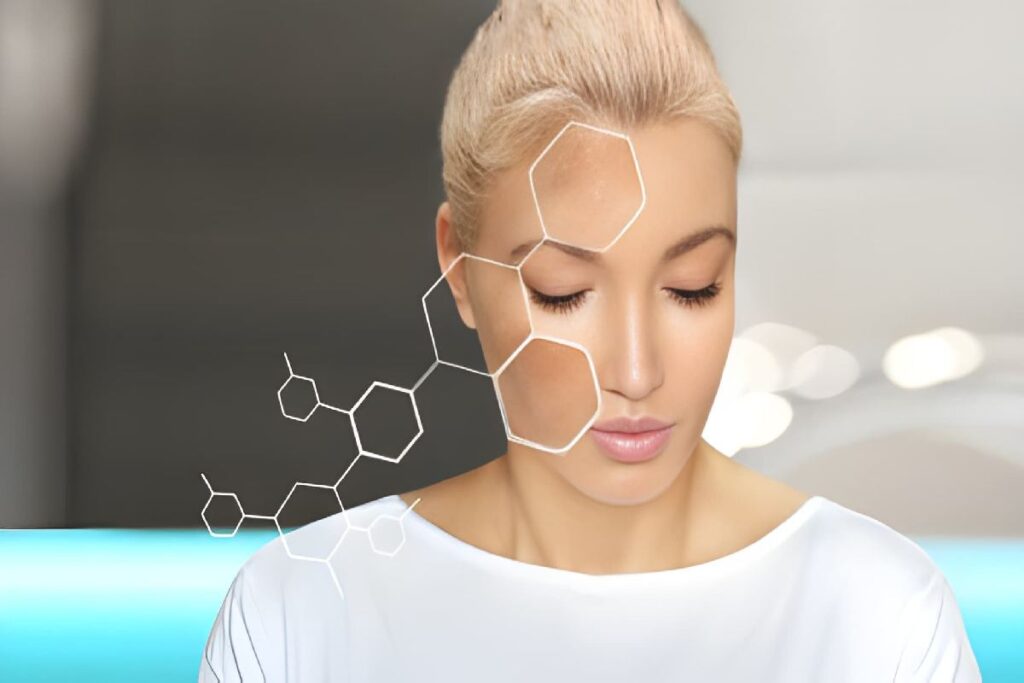
Pigmentary disorders are among the most persistent dermatologic concerns encountered in adult patients. While uneven skin tone is often framed as a cosmetic issue, it has clear medical relevance, particularly as skin ages. Pigmentation reflects cumulative ultraviolet exposure, inflammatory burden, hormonal signaling, and the skin’s capacity to repair itself. Over time, these factors interact in complex ways that make discoloration more difficult to control without structured care.
From a biological standpoint, melanocyte behavior becomes less regulated with age. Although the absolute number of melanocytes declines by roughly 8 to 10 percent per decade after the age of 30, the remaining cells frequently become hyperresponsive. At the same time, epidermal turnover slows, vascular support diminishes, and oxidative stress increases. These changes explain why pigmentation often becomes more irregular, slower to fade, and more prone to recurrence later in life. Consistent clinical care addresses these mechanisms systematically rather than reactively.
Why Pigmentation Requires Ongoing Medical Attention
Pigmentation disorders rarely result from a single trigger. Instead, they develop from repeated stimulation of melanocytes by ultraviolet radiation, visible light, heat, inflammation, and hormonal fluctuations. When these stimuli persist, pigment may migrate deeper into the dermis, where it becomes less responsive to topical treatment alone.
In clinical practice, patients seeking care at the best pigmentation treatment clinic Singapore are often dealing with long-standing discoloration that has cycled through periods of improvement and relapse. This pattern highlights the importance of continuity. Short courses of treatment may lighten pigment temporarily, but without maintenance and trigger control, recurrence is common.
Medically, pigment disorders also matter because they can obscure early skin cancers or coexist with inflammatory dermatoses. This reinforces the need for a structured approach that integrates diagnosis, treatment, and long-term monitoring.
Screening, Prevention, and Early Detection
Effective pigmentation control begins with accurate classification. Dermatologists distinguish between epidermal, dermal, and mixed pigment based on clinical appearance and diagnostic tools. This distinction is critical because treatment response varies significantly by pigment depth.
Common screening methods include:
- Visual assessment of color, symmetry, and border definition
- Dermoscopy to evaluate pigment networks and vascular features
- Wood lamp examination to estimate pigment depth
- Full skin examination to exclude melanoma or atypical nevi
Early detection improves outcomes. Clinical studies show that early intervention in melasma can improve treatment responsiveness by approximately 30 percent compared with delayed care. Similarly, identifying post inflammatory hyperpigmentation early allows intervention before pigment becomes entrenched in the dermis.
Preventive strategies focus on minimizing known triggers. These include year round photoprotection, prompt treatment of inflammatory skin conditions, and avoidance of irritant cosmetic practices. Prevention does not eliminate existing pigment, but it reduces progression and recurrence.
Daily Care and Lifestyle Impact
Daily habits strongly influence pigmentation stability. Ultraviolet radiation remains the primary driver of hyperpigmentation. Even sub erythemal exposure can activate melanocytes through DNA damage and inflammatory signaling pathways.
Research indicates that consistent use of broad spectrum sunscreen can reduce the development of new hyperpigmentation by 50 to 70 percent over a one year period. Visible light and infrared radiation also contribute, particularly in melasma, which is why tinted physical sunscreens are often recommended.
Lifestyle factors that affect pigment control include:
- Heat exposure from cooking, exercise, or saunas
- Friction from aggressive cleansing or exfoliation
- Delayed management of acne, eczema, or rashes
- Chronic sleep deprivation and stress, which elevate inflammatory mediators
Daily skincare should prioritize barrier support and inflammation reduction. While these measures rarely reverse established pigment on their own, they are essential for maintaining the results of medical treatments.
Age Related and Chronic Conditions Linked to Pigmentation
Several chronic dermatologic conditions predispose individuals to persistent discoloration.
Melasma is a hormonally influenced disorder characterized by symmetric brown or gray brown patches, most commonly on the face. It affects up to 40 percent of women in Southeast Asia and often worsens with age due to cumulative sun exposure and vascular changes.
Post-inflammatory hyperpigmentation follows acne, burns, or dermatitis. In darker skin types, increased melanocyte responsiveness makes this pigment more persistent.
Solar lentigines, commonly referred to as age spots, arise from long-term ultraviolet damage and DNA mutations in melanocytes. Their prevalence increases sharply after age 50.
Photoaging exacerbates all of these conditions by reducing collagen support and increasing oxidative stress, which destabilizes pigment regulation. These links explain why pigmentation control often becomes more challenging later in life.
Prescription Versus Over-the-Counter Treatments
Over-the-counter pigment products typically contain ingredients such as niacinamide, vitamin C, kojic acid, and alpha hydroxy acids. When used consistently, these agents may improve mild epidermal pigmentation by approximately 10 to 20 percent over three to six months.
Prescription therapies provide more targeted biological effects. Examples include:
- Hydroquinone 4 percent, which inhibits tyrosinase and may reduce melasma severity by 30 to 50 percent within 8 to 12 weeks
- Topical retinoids, which increase epidermal turnover and enhance pigment dispersion, producing gradual improvement over 12 to 24 weeks
- Azelaic acid 15 to 20 percent, which suppresses abnormal melanocyte activity and is often used in sensitive skin
These agents carry risks such as irritation, rebound hyperpigmentation, and ochronosis if misused. As a result, they are typically prescribed in cycles and monitored closely. In practice, over-the-counter products are often used to maintain gains achieved with prescription or procedural treatments rather than replace them.
In-Clinic Procedures for Pigmentation Control
When topical therapy reaches its limits, procedural intervention may be appropriate.
Chemical peels remove superficial pigment and stimulate epidermal renewal. Serial superficial peels may improve epidermal hyperpigmentation by 20 to 40 percent over several sessions.
Laser and light-based devices target melanin directly. Q-switched and picosecond lasers fragment pigment particles, which are then cleared by macrophages. Improvement rates range from 40 to 70 percent for solar lentigines and selected melasma cases after multiple treatments.
However, post-inflammatory hyperpigmentation remains a risk, particularly in Asian skin types. Therefore, conservative settings, test spots, and staged treatments are standard practice. Adjunctive technologies such as radiofrequency microneedling may be used to improve dermal pigment by enhancing collagen remodeling and vascular regulation.
What Our Dermatologist Says
In my clinical experience, pigmentation disorders behave more like chronic conditions than isolated problems. Patients often expect a single treatment to resolve years of pigment accumulation, but melanocyte biology rarely works that way.
I usually focus first on stabilizing the skin environment through sun protection and inflammation control. Once triggers are minimized, procedural treatments tend to produce more consistent and durable results. Long-term success typically depends on maintenance rather than aggressive intervention.
Putting This Into Practice
- Apply broad spectrum sunscreen daily
- Minimize heat exposure when possible
- Treat acne and rashes promptly
- Maintain a gentle, barrier-supportive skincare routine
- Follow prescription treatment cycles as directed
- Schedule periodic pigment reassessment
- Monitor for new or changing lesions
When to Seek Professional Help
- Pigment that changes color, size, or borders
- Discoloration persisting longer than six months
- Melasma worsening despite sun protection
- History of skin cancer or atypical moles
- Emotional distress related to appearance
Commonly Asked Questions
Can pigmentation be permanently cured?
Most pigment disorders can be controlled and lightened, but conditions such as melasma often require long-term management.
Are lasers always necessary?
No. Many patients respond to topical therapy and lifestyle modification, particularly when pigment is superficial.
Is treatment safe for darker skin tones?
Yes, when protocols are adjusted appropriately, though the risk of rebound pigmentation is higher.
How long does pigmentation treatment usually take?
Most clinical pathways extend over 12 to 24 weeks, with maintenance ongoing.
Does diet affect pigmentation?
Diet influences oxidative stress and inflammation but is not a primary treatment for pigmentation disorders.
Next Steps
Chronic pigmentation reflects complex interactions between aging, inflammation, and environmental exposure. Consistent clinical care allows these factors to be addressed in a structured and safe manner. If you are experiencing persistent discoloration, consultation with a dermatologist in Singapore can help clarify the underlying cause and guide evidence-based management tailored to your skin.