
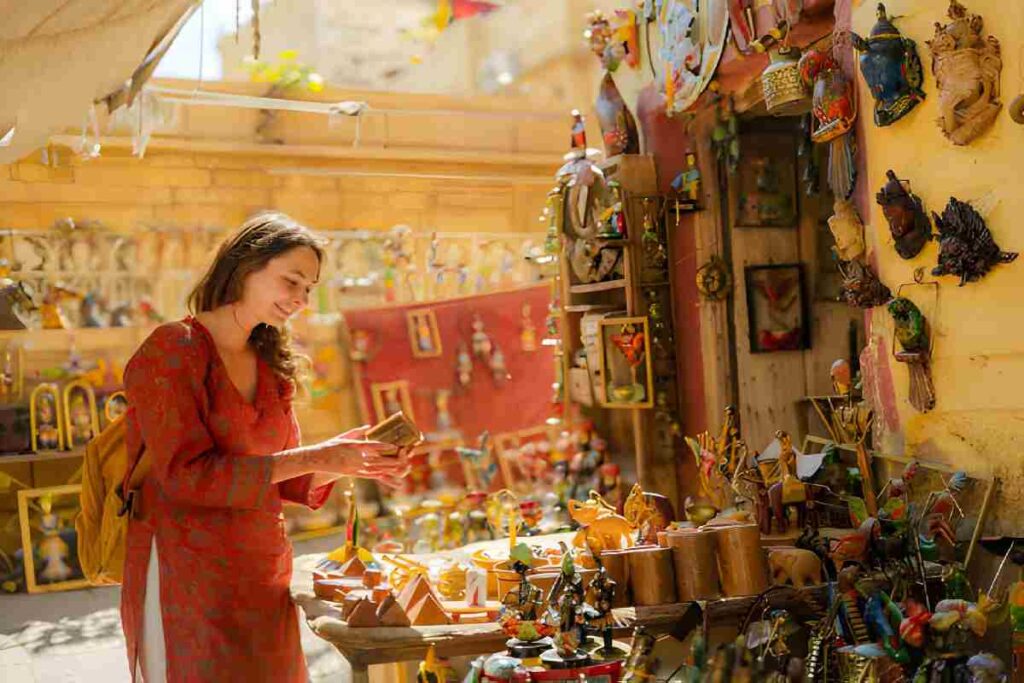
You just booked a trip to Jaipur and now you are staring at an empty suitcase, wondering where to even begin. I have been there. The Pink City is incredible but packing for it? That takes some thought. The weather, the culture, the walking, the shopping—everything demands a different kind of preparation than your usual beach vacation. Let me walk you through exactly what you need to pack so you can enjoy your trip without scrambling for things you forgot.
First, Understand the Weather Right Now
If you are traveling next week, here is what you are walking into. March in Jaipur is transition weather. The winter chill is gone but the intense summer heat has not fully arrived yet. During the day, temperatures typically range from a comfortable 20°C to a warm 30°C (68°F to 86°F), which is perfect for sightseeing and outdoor activities. However, do not let that fool you—as soon as the sun sets, the temperature can drop to around 12°C (53°F). That evening drop is significant. You will be comfortable in a cotton kurta at 3 PM and shivering by 8 PM if you did not pack a layer. Some forecasts even show daytime highs touching 32°C to 34°C during this period, so the sun is strong. Humidity can be a mixed bag too—it can go as high as 99 percent in some parts of the day and drop to 41 percent, so expect your skin to feel dry.
The Clothing Packing List That Actually Works
Let me tell you something I learned the hard way. Do not pack your favorite dark jeans and tight synthetic tops. You will regret it by noon. The key here is one word: breathable. Cotton and linen are your best friends in Jaipur. Lightweight, loose-fitting clothes will keep you comfortable while exploring the city’s forts, palaces, and bustling markets.
Here is what I recommend you pack:
For daytime sightseeing: Pack at least four to five loose cotton tops or kurtas. Pair these with two to three pairs of lightweight trousers, palazzos, or maxi skirts. Avoid shorts or anything too short—not only out of cultural respect but also because the sun will burn your exposed skin. Aim for clothes that cover your shoulders and knees. Light cotton trousers and maxi dresses are both comfortable and appropriate.
For the evening: This is where most people mess up. You absolutely need one or two light sweaters, a cardigan, or a denim jacket. The temperature drop is real. A light wrap or pashmina shawl works double duty—it keeps you warm and serves as a cover-up when you visit temples.
For footwear: Leave the brand new white sneakers at home. You will be walking. A lot. Through uneven stone pathways at Amber Fort, through dusty bazaar lanes, up staircases at Hawa Mahal. Pack one pair of comfortable, broken-in walking shoes or sneakers. Then bring a pair of sandals or flip-flops that are easy to slip on and off. You will be removing your shoes at temples, some shops, and even some homes, so easy-on-easy-off footwear is a lifesaver.
A scarf or dupatta: Do not skip this. Pack at least two lightweight scarves. You can drape one over your head if required at a temple, use it to cover your shoulders, or wrap it around your face if you hit a dusty patch of road. It is the most versatile item you will carry.
Undergarments and socks: Pack more socks than you think you need. The dust gets everywhere, and changing into fresh socks mid-day feels like a small luxury. Five to six pairs should do. For undergarments, lightweight cotton is best—synthetic fabrics will leave you feeling sticky.
For resort or pool time (if your hotel has one): Pack one or two kaftans or breezy dresses for lounging. A silk or georgette kaftan works nicely for dinner evenings as well.
Special Note for Women Travelers
If you are traveling solo or with female friends, here is what you should know about dressing in Jaipur. The city is relatively safe and ranks as India’s second safest city, with crime rates having dropped by about a third in recent years. But dressing modestly goes a long way in making your trip more comfortable and drawing less unwanted attention. Cover your shoulders and chest, wear loose trousers or skirts below the knee. Bare arms are fine but skip spaghetti straps. Leather items like belts, wallets, and shoes are not allowed inside Jain temples, so keep that in mind if you plan to visit them.
People will stare at you. It is usually curiosity rather than a threat, especially in traditional areas. The Old Pink City and areas around Hawa Mahal are more conservative than modern neighborhoods like Malviya Nagar and C-Scheme.
For safety, stick to well-lit areas. The city’s main avenues in the walled city are well-lit, and day markets stay lively with families and shopkeepers. Use app-based cabs like Uber or Ola for getting around, especially at night. Auto-rickshaw drivers sometimes try to overcharge tourists—agree on a price before getting in, or insist they use the meter. Share your live location with a friend back home. Shop and snack in daytime bazaars, and use app cabs at night for door-to-door moves.
One more thing: sitting alone at cafes with chai or coffee for hours is normal here, so dining solo is not awkward like it can be in other parts of India.
The Skincare and Haircare Kit You Will Thank Yourself For
Jaipur will do interesting things to your skin. The combination of dry heat, dust, and air-conditioned hotel rooms can leave your face feeling tight, flaky, and dull by day two. Pack smart and you can avoid the travel skin blues.
Sunscreen is non-negotiable. Rajasthan’s UV index is extremely high. Pack a broad-spectrum sunscreen with at least SPF 50. Apply it 15 minutes before going outside and reapply every two to three hours. Do not forget your ears, the back of your neck, and the tops of your feet.
A good moisturizer. The dry climate will suck moisture out of your skin. A cream-based moisturizer works better here than lightweight gels. If you use a heavy moisturizer at night and a lighter one during the day, that is even better.
Lip balm. A hydrating lip balm is essential. Your lips will crack faster than you expect.
Face mist. A moisturizing face mist can give you immediate hydration and energy throughout the day. Keep one in your day bag.
Gentle cleanser. Wash your face twice a day to remove sweat, oil, and dust buildup. Avoid harsh, fragrance-based cleansers that can further irritate your skin. Use lukewarm water, not hot water, which can worsen dryness.
Haircare. The dust and dryness will affect your hair too. Pack an oil-based hair serum, a wide-tooth comb (better for detangling dry hair without breaking it), and a scarf or hat to protect your hair from sun and dust when you are out exploring.
Aloe vera gel. A small tube of pure aloe vera gel is a lifesaver if you catch a bit too much sun. Keep it in your hotel room fridge if you have one.
Night repair. If you use retinol or vitamin C serum at home, bring them. A night routine helps repair the day’s damage. Vitamin C serum in the morning (under sunscreen) protects against free radicals from pollution and sun.
Health and Medicine: What You Cannot Afford to Forget
Let me be honest with you. The food in Jaipur is incredible—dal baati churma, laal maas, pyaaz kachori, the list goes on. But your stomach may not be ready for the local water and bacteria. Here is how you protect yourself.
Water. Never drink tap water in India. Not in five-star hotels, not in fancy restaurants. Stick to bottled mineral water and always check the seal before opening—some vendors reuse bottles and refill them with tap water. Stick to trusted brands like Bisleri. Use bottled water even when brushing your teeth.
Food precautions. Eat only cooked food. Avoid salads, raw vegetables, cut fruits, and juices—these are often washed in tap water. Street food is tempting but proceed with extreme caution. Without proper refrigeration, the risk of food poisoning is high. Stick to freshly cooked, hot food from busy stalls where you can see locals eating.
Stay hydrated. The heat will dehydrate you before you even feel thirsty. Drink water constantly throughout the day. Fresh coconut water is widely available and excellent for hydration—it is also safe to drink because the coconut is opened in front of you.
Pack a basic medicine kit. Bring anti-diarrhea tablets (you will thank me later), oral rehydration salts (ORS), antihistamines for allergies, pain relievers, bandaids, antiseptic cream, and any prescription medications you take regularly plus a few extra days’ supply. Pack motion sickness medicine if you plan to take long car rides.
Traveler’s diarrhea medication. This is not fear-mongering. Be prepared. Even careful travelers sometimes get sick. Having medication on hand means you can treat it quickly instead of spending a day in your hotel room feeling miserable.
Vaccinations. Before you go, check that you are up to date on routine immunizations. The CDC recommends hepatitis A, hepatitis B, and COVID-19 vaccines for travelers to India.
Toiletries You Might Not Think About
Hand sanitizer. Keep a small bottle in your bag and use it before every meal.
Wet wipes or tissue packs. Public restrooms do not always have toilet paper. Carry your own. Wet wipes are also great for wiping dust off your face and hands throughout the day.
Insect repellent. While March is not peak mosquito season, it is still smart to pack a small bottle, especially if you plan to be out around dawn or dusk.
Feminine hygiene products. Bring enough for your entire trip. While you can find them in cities, the brands and availability may not match what you are used to.
Nail clippers, tweezers, small scissors. The dry climate means hangnails and cracked cuticles happen more often. Pack these in your checked luggage if you are flying.
Deodorant / antiperspirant. The heat is real. Pack a reliable one.
Electronics and Practical Gear
Power bank. You will be out all day taking photos, using maps, and calling cabs. Your phone battery will drain faster than usual. A 10,000 mAh power bank is perfect.
Universal travel adapter. India uses 230V, 50Hz with C, D, and M type plugs (the round pins). If you are coming from the US or UK, you will need an adapter.
Headphones or earbuds. Long flights and train rides are much more pleasant with your own music or podcasts.
E-reader or tablet. If you are a reader, bring one loaded with books. There will be downtime.
Camera. Your phone camera might be enough, but consider bringing a proper camera for those Amber Fort sunrise shots.
Small flashlight or headlamp. Useful if you go on an early morning safari or if there is a power cut at your hotel (they happen occasionally).
What to Leave at Home
Do not pack heavy jeans or synthetic fabrics—they trap sweat and become uncomfortable. Leave expensive jewelry at home; you will not need it and wearing it makes you a target. High heels are useless here—the streets are uneven and dusty. Do not bring heavy winter coats; a light jacket or sweater is sufficient. And please, leave the drone at home unless you have specifically researched and obtained permits (many historical sites ban them).
Some Cultural Etiquette to Remember
A few small things will make your trip smoother. Use your right hand for eating, shaking hands, and giving money—the left hand is considered unclean in Indian culture. A smile and slight bow with hands together (namaste) works as a respectful greeting. Learn a few Hindi words: namaste (hello), dhanyavaad (thank you), haan/nahi (yes/no), kitna paisa (how much). Remove your shoes before entering temples, homes, and some small shops.
Day Bag Essentials
Each morning before you head out, make sure your day bag contains: sunscreen (reapply throughout the day), water bottle (refill with bottled water), scarf or shawl, hand sanitizer, wet wipes, small pack of tissues, power bank and charging cable, sunglasses, hat (broad-brimmed is best), small amount of cash (many places do not take cards), phone, lip balm, face mist, and a plastic bag for trash (not all areas have public bins).
A Final Word on Packing Light
Here is the truth. You can buy almost anything you might have forgotten once you arrive in Jaipur. The city is a shopper’s paradise. Need a cotton kurta? Bapu Bazaar has hundreds. Sandals giving you blisters? Pick up a pair of traditional mojris. Forgot your scarf? Every street corner has options. So do not stress about packing perfectly. Focus on the essentials—comfortable shoes, sun protection, medications, and a light jacket for those cool evenings.
Jaipur is called the Pink City for a reason. The terracotta buildings glow at sunset, the bazaars buzz with energy, and the food will linger in your memory long after you return home. Pack smart, travel light, and leave room in your suitcase for the beautiful things you will inevitably bring back with you.
Safe travels. Enjoy every chai, every fort, and every chaotic, colorful moment. You are going to love it.