
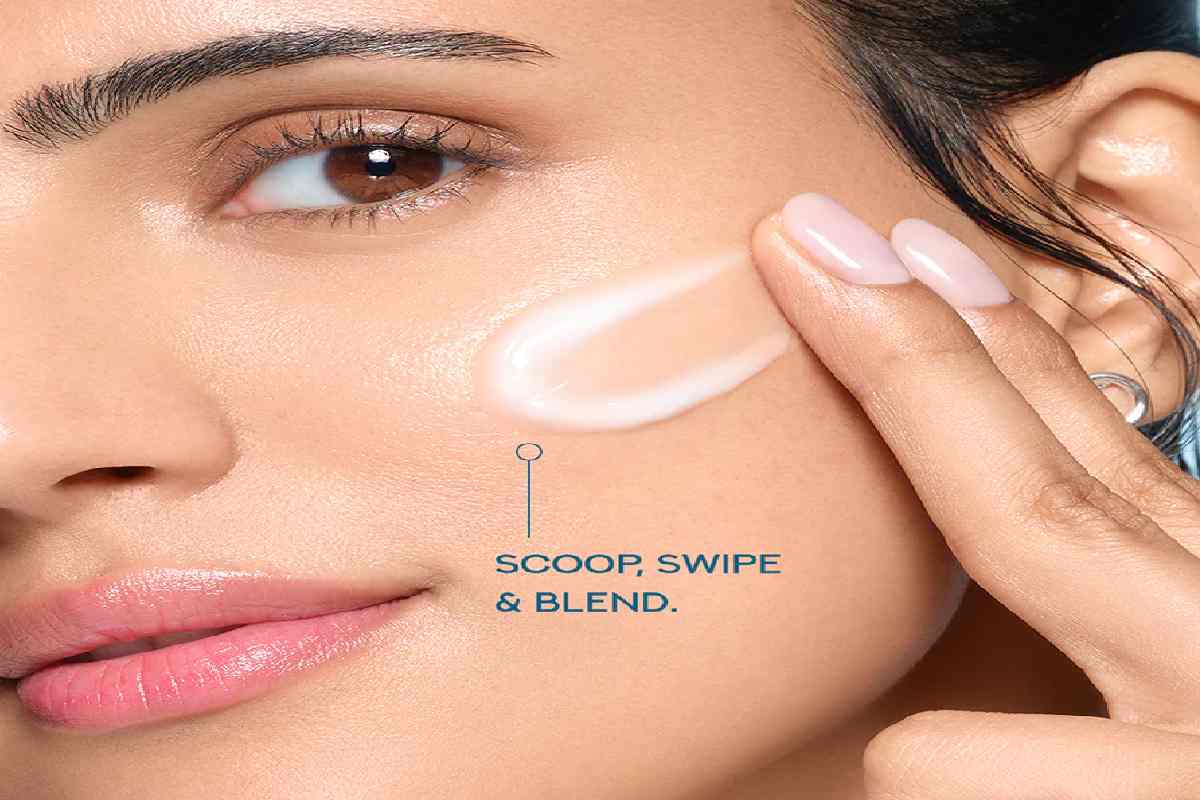
It’s easy to look in the mirror and blame yourself. You bought the expensive cream. You finally started drinking that extra glass of water. Yet your skin still feels tight, looks flaky, and seems to drink up moisturizer in seconds, only to feel dry again an hour later. If any of this sounds familiar, you are not alone, and more importantly, it is not your fault.
The problem might not be the amount of product you are using, but the type of product you are reaching for. Dry skin needs more than just a few drops of hydration. It needs a structural repair. To pick the right moisturizer, we first have to understand the mechanics of what is happening under the surface, and then look at the products that actually fix it.
The Problem Isn’t Just “Missing Water”
When your skin feels tight or looks dull, we tend to think it is simply dehydrated. But biologically, chronic dryness is usually a story of a broken barrier. Think of your skin’s outermost layer as a brick wall. The skin cells are the bricks, and the lipids (natural oils like ceramides and fatty acids) are the mortar holding them together.
When that mortar cracks due to cold weather, harsh cleansers, or age, the moisture escapes as quickly as you put it on. This is called Transepidermal Water Loss (TEWL). If you are not addressing the “mortar,” you are just pouring water into a cracked cup. You never feel fully quenched because the structural integrity is gone.
So, the best moisturizer for dry skin isn’t just the one that feels wettest on your fingers. It is the one that contains the right combination of three specific types of ingredients to both hydrate and rebuild.
The Science of the Triple Threat
Dermatologists agree that you cannot fix dry skin with a single-ingredient wonder. You need what experts call a combination of Humectants, Emollients, and Occlusives.
-
Humectants (The Hydrators): These are ingredients like Hyaluronic Acid and Glycerin. Their job is to act like magnets, pulling moisture from the air into the top layer of your skin. However, if you live in a dry climate, humectants can actually pull water out of your skin if they aren’t sealed in. You need to lock the door behind them.
-
Emollients (The Softeners): These fill in the gaps between your skin cells. Look for ingredients like Ceramides, Squalane, and Shea Butter. They smooth the rough texture and make the skin feel soft to the touch. As one dermatologist explains, these are the “cement” that strengthens the compromised barrier.
-
Occlusives (The Seal): Often the scariest sounding but most effective. These ingredients (like Petrolatum, Mineral Oil, or Dimethicone) form a physical film on top of the skin to prevent water from evaporating. If you have very dry skin, you cannot skip this sealing step, though modern formulas make them feel much less greasy than the Vaseline of your childhood.
The 8 Best Moisturizers For Dry Skin (Derm-Approved)
After testing dozens of formulas and digging through dermatologist interviews, these are the heavy hitters that actually fix the “cracked cup” problem.
1. CeraVe Moisturizing Cream (The Gold Standard)
This is often ranked as the number one moisturizer for dry skin by dermatologists and editors alike. It contains three essential ceramides to rebuild the barrier, plus hyaluronic acid for hydration. Despite being a thick cream, it spreads easily and does not feel greasy. It is also fragrance-free and accepted by the National Eczema Association, making it safe for sensitive, flaky skin. It is the perfect “little black dress” of skincare—reliable, affordable, and always works.
2. La Roche-Posay Lipikar AP+M (The Night Fix)
If you are dealing with severe tightness or sensitive itching, this is the one to try at night. It is a cult favorite on Reddit, often described as “life-changing” for dry, irritated skin. It contains shea butter and niacinamide to calm inflammation while repairing the barrier. It is designed for both face and body, so you can slather it on without worrying about running out quickly.
3. SkinCeuticals Triple Lipid Restore 2:4:2 (The Splurge)
For those who are willing to invest heavily in their skin, this is the formula that plastic surgeons and dermatologists use themselves. It is named for its specific ratio of 2% ceramides, 4% cholesterol, and 2% fatty acids—the exact lipids your skin loses as it ages. It instantly smooths texture and plumps fine lines without feeling heavy. It is an exceptional night cream that actually restores the bounce of youthful skin.
4. Vanicream Daily Facial Moisturizer (The Sensitive Skin Winner)
In a massive ranking of over 100 moisturizers by NBC Select, Vanicream was a top contender for sensitive, reactive skin. On Reddit, it received the highest number of upvotes (540) for being the ultimate no-fuss solution. It is free of dyes, fragrance, and common irritants. If you are someone who breaks out or stings from everything else, this is your safest bet.
5. First Aid Beauty Ultra Repair Cream (The Instant Quencher)
This is a heavy hitter for immediate relief. It contains colloidal oatmeal, which is a known anti-inflammatory, along with shea butter and squalane. It is great for those moments when your skin feels like it is cracking from the cold. It has a thick, whipped texture that melts into the skin without leaving a white cast, and it is often cited as the best for dry, reactive skin.
6. Farmacy Honey Halo (The Winter Savior)
If you prefer a butter-like texture that feels luxurious going on, this is a great option. It is formulated with ceramides to rebuild the barrier and a honey blend to provide antioxidant protection. Derms note it is particularly good for dry or mature skin because it leaves a dewy, protected finish without clogging pores.
7. Kiehl’s Ultra Facial Cream (The All-Rounder)
For a long time, this has been a go-to for people who travel between climates or have combination skin that turns dry in the winter. It contains squalane (derived from olives) and glacial glycoprotein. It is lightweight enough to sit under makeup but thick enough to survive a windy commute. It is a classic for a reason—if you don’t know what else to buy, this usually works.
8. SkinFix Barrier+ Triple Lipid Peptide Cream (The Repairer)
This is a fragrance-free option that focuses on “skin barrier education.” It contains signal peptides that tell your skin to act younger and produce more lipids naturally. It also comes in an airless pump to keep the formula sterile. It is thicker than a lotion but absorbs surprisingly fast, leaving a soft, matte finish rather than a greasy one.
Comparison Table of Top Picks
| Product | Best For | Key Ingredients | Texture |
|---|---|---|---|
| CeraVe Moisturizing Cream | Daily use / Body | Ceramides, Hyaluronic Acid | Rich cream |
| La Roche-Posay Lipikar | Severe dryness / Itch | Shea Butter, Niacinamide | Balm texture |
| SkinCeuticals Triple Lipid | Anti-aging splurge | 2:4:2 Lipid ratio | Silky cream |
| Vanicream Daily | Extremely sensitive skin | Glycerin, Squalane | Lightweight cream |
| First Aid Beauty Ultra Repair | Winter relief | Colloidal Oatmeal | Whipped cream |
| Farmacy Honey Halo | Luxe / Butter feel | Ceramides, Honey | Butter balm |
| Kiehl’s Ultra Facial | Travel / All climates | Squalane | Light gel-cream |
| SkinFix Barrier+ | Barrier repair | Peptides | Rich cream |
How to Apply (Crucial Tips You Might Be Missing)
You can buy the most expensive cream on this list, but if you apply it to bone-dry skin, you are wasting your money. The single biggest “hack” for dry skin is applying moisturizer to damp skin.
-
The Technique: After you wash your face, pat it gently with a towel so it is damp, but not dripping wet. Apply your moisturizer immediately. According to Dr. Vasile, “This helps to lock in moisture for an extra hydration boost”. The water sitting on your face acts as an amplifier for the humectants in the cream, pulling that surface water deep into the cells.
-
The “Slugging” Method: For extremely desperate nights (especially in winter), apply your regular moisturizer, then seal it with a tiny pea-sized amount of Vaseline, Aquaphor, or CeraVe Healing Ointment. This acts as a perfect occlusive seal to repair the barrier overnight. Just be warned: it is sticky, so save it for bedtime.
-
Exfoliate First: As Dr. Velez notes, “If you have an overabundance of dead skin, your moisturizers just sit on the surface, they don’t penetrate”. Gentle chemical exfoliation (like lactic acid) once or twice a week opens the door for your moisturizer to actually reach the living cells underneath.
Final Verdict
If your skin feels dry no matter what you do, stop looking for a “hydrating spray” or a lightweight gel. You need a rich cream that addresses barrier repair. If you are on a budget, buy the CeraVe Cream in the tub. It contains the ceramides you need without the price tag. If you want one product that does it all for mature, dry skin and you have the budget, SkinCeuticals Triple Lipid Restore is the industry benchmark. And if your skin reacts to everything, stick to Vanicream.
Once you switch to a cream designed to rebuild the structure rather than just wet the surface, you will notice the difference immediately. Your skin won’t feel “tight” five minutes after your routine. It will just feel like skin again.