What Age Can You Start Using Retinol?
Retinol is one of the most researched skincare ingredients available today. It is widely recommended for improving skin texture, reducing acne, minimising fine lines, and supporting healthy skin renewal. However, one of the most common questions people ask is, “What age can you start using retinol?”
The answer depends on your skin concerns rather than your age alone. While many people begin using retinol in their 20s to prevent visible signs of ageing, others may start earlier for acne treatment or later to address wrinkles and uneven skin tone.
In this guide, you’ll learn the best age to use retinol, how to introduce it into your skincare routine, potential side effects, and practical tips for getting the best results.
What Is Retinol?
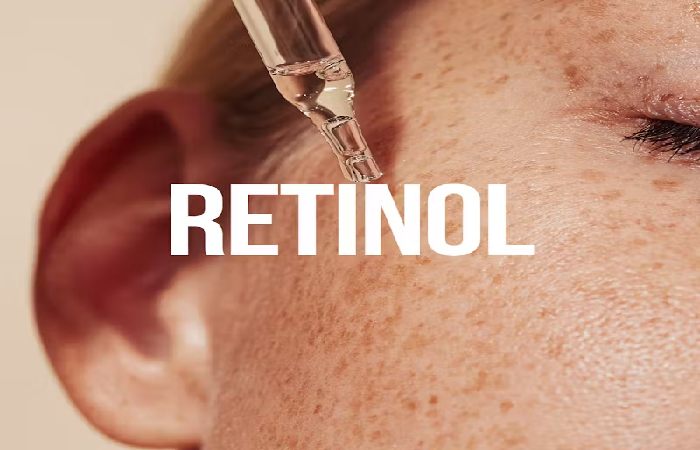
Retinol is a form of Vitamin A commonly used in skincare products. It belongs to a family of ingredients called retinoids, which help speed up skin cell turnover.
Regular use of retinol may help:
- Reduce fine lines and wrinkles
- Improve skin texture
- Fade acne scars
- Minimise enlarged pores
- Brighten dull skin
- Even out skin tone
- Support collagen production
Unlike prescription-strength retinoids, over-the-counter retinol products are generally milder, making them suitable for beginners.
What Age Can You Start Using Retinol?
Although there is no universal age requirement, skincare professionals generally recommend the following:
| Age | Should You Use Retinol? | Main Purpose |
|---|---|---|
| Under 18 | Only if recommended by a dermatologist | Acne treatment |
| 18–24 | Yes, if treating acne or oily skin | Acne prevention |
| 25–30 | Ideal age to begin | Prevent early ageing |
| 30–40 | Highly recommended | Reduce fine lines |
| 40+ | Excellent choice | Improve wrinkles and skin texture |
Most people start using retinol between 25 and 30 years old, as collagen production naturally begins to decline during this period.
Benefits of Starting Retinol Early
Introducing retinol before deep wrinkles develop can help maintain healthier-looking skin over time.
Some key benefits include:
- Supports collagen production
- Helps maintain skin firmness
- Reduces early fine lines
- Improves skin texture
- Prevents clogged pores
- Helps fade acne marks
- Promotes smoother skin
- Enhances overall skin radiance
Starting early doesn’t stop ageing, but it may help delay some visible signs.
Can Teenagers Use Retinol?
Yes, but only in specific situations.
Teenagers experiencing persistent acne may benefit from retinol or prescription retinoids recommended by a dermatologist.
If acne is not a concern, most teenagers do not need retinol for anti-ageing purposes. A simple skincare routine with a gentle cleanser, moisturiser, and sunscreen is usually sufficient.
How to Start Using Retinol Safely
If you’re new to retinol, introducing it gradually is the best approach.
Step 1: Choose a Low Strength
Beginners should look for products containing:
- 0.1%
- 0.25%
- 0.3%
These concentrations allow your skin to adapt more comfortably.
Step 2: Apply at Night
Retinol can become less effective when exposed to sunlight, making evening application the best choice.
Step 3: Use Only Twice Weekly
Start by applying retinol two nights each week.
If your skin tolerates it well after several weeks, gradually increase usage.
Step 4: Apply Moisturiser
Using a moisturiser after retinol can help reduce dryness and irritation.
Step 5: Wear Sunscreen Every Morning
Daily sunscreen is essential because retinol may increase your skin’s sensitivity to UV rays.
Beginner Retinol Routine
A simple routine can help minimise irritation while allowing your skin to adjust.
Evening Routine
- Cleanse your face with a gentle cleanser.
- Pat your skin completely dry.
- Apply a pea-sized amount of retinol.
- Follow with a hydrating moisturiser.
Morning Routine
- Cleanse your skin.
- Apply moisturiser.
- Finish with a broad-spectrum SPF 30 or higher sunscreen.
Consistency is more important than using retinol every night.
What Results Can You Expect?
Retinol works gradually, so patience is important.
| Time | Expected Results |
|---|---|
| 2–4 weeks | Mild dryness or slight peeling may occur |
| 6–8 weeks | Skin may appear smoother |
| 3 months | Improved skin texture and fewer blemishes |
| 6 months | Reduced fine lines and brighter complexion |
| 12 months | Continued improvement with regular use |
Results vary depending on your skin type, product strength, and consistency.
Possible Side Effects
When first using retinol, temporary side effects are common.
These may include:
- Dryness
- Redness
- Peeling
- Mild irritation
- Increased sun sensitivity
These effects often improve as your skin becomes accustomed to the product.
If severe irritation develops, stop using the product and seek advice from a healthcare professional.
Who Should Use Retinol?
Retinol may be suitable for people who want to:
- Prevent early signs of ageing
- Improve uneven skin tone
- Reduce acne
- Fade post-acne marks
- Improve skin texture
- Minimise fine lines
Who Should Avoid Retinol?
Retinol may not be appropriate for everyone.
Speak with a healthcare professional before using retinol if you:
- Have very sensitive skin
- Have eczema or rosacea
- Are pregnant or planning pregnancy
- Are breastfeeding (follow your healthcare provider’s advice)
- Experience severe allergic reactions to Vitamin A products
Pros and Cons of Retinol
| Pros | Cons |
|---|---|
| Helps reduce wrinkles | May cause dryness initially |
| Improves skin texture | Results take time |
| Supports collagen production | Requires consistent sunscreen use |
| Helps treat acne | Can irritate sensitive skin |
| Available without prescription | Not suitable during pregnancy without medical advice |
Retinol vs Other Anti-Ageing Ingredients
| Ingredient | Best For | Strength |
|---|---|---|
| Retinol | Wrinkles, acne, texture | High |
| Vitamin C | Brightening | Moderate |
| Niacinamide | Oil control | Gentle |
| Hyaluronic Acid | Hydration | Very gentle |
| Peptides | Skin firmness | Gentle |
Many people combine these ingredients in a well-planned skincare routine, although retinol should be introduced gradually.
Tips for Choosing Your First Retinol
When shopping for your first retinol product, consider the following:
- Choose a trusted skincare brand.
- Start with a low concentration.
- Look for fragrance-free formulas if you have sensitive skin.
- Avoid using multiple active ingredients at the same time when beginning.
- Always check the product’s expiry date.
- Introduce only one new skincare product at a time.
Frequently Asked Questions
What age can you start using retinol?
Most people can begin using retinol between 25 and 30 years old for anti-ageing purposes. Younger individuals may use it for acne under professional guidance.
Can a 20-year-old use retinol?
Yes. A 20-year-old can use a low-strength retinol if treating acne or aiming to prevent early signs of ageing.
Is retinol safe for beginners?
Yes. Start with a low-strength product, use it only a few nights each week, and apply moisturiser and sunscreen daily.
Can I use retinol every night?
Not initially. Begin with two nights per week and increase gradually if your skin tolerates it well.
Should I use retinol with sunscreen?
Absolutely. Daily sunscreen is one of the most important steps when using retinol because it helps protect your skin from increased sun sensitivity.
Conclusion
If you’ve been wondering what age can you start using retinol, the answer depends on your skincare goals. For most people, the mid-20s are an appropriate time to introduce retinol as part of a preventative skincare routine, while younger users may benefit from it for acne under professional advice.
The key to success is starting slowly, choosing the right strength for your skin, using a moisturiser to minimise irritation, and applying sunscreen every day. With consistent use and realistic expectations, retinol can become a valuable addition to a long-term skincare routine, helping to improve skin texture, support collagen production, and reduce the appearance of fine lines over time