Let’s skip the wishy-washy answer most skincare articles give you and actually say something useful.
If you have sensitive acne-prone skin that gets red, flaky, or worse when you try new products — La Roche-Posay is probably the better fit. If your skin runs oily, you’re not particularly reactive, and you’re counting dollars — Neutrogena gets the job done. But honestly? Most college students end up mixing both, and that’s totally fine.
Here’s how to actually figure out which products from each brand are worth your money.
What “good for acne-prone skin” even means
Skincare marketing throws this phrase on everything. What it should actually mean:
Non-comedogenic — genuinely won’t clog pores (not just labelled that way). Minimal irritants — no synthetic fragrance, minimal alcohol, because both damage the skin barrier and inflamed barrier skin = more breakouts. Useful actives — salicylic acid, benzoyl peroxide, niacinamide, or adapalene in real concentrations. And dermatologist-tested, which at minimum means someone with a medical licence looked at the formula before it went on shelves.
Both La Roche-Posay and Neutrogena clear most of these bars. But not always the same ones, and not across their whole range.
La Roche-Posay: genuinely different or just expensive?
Genuinely different — for a specific type of skin.
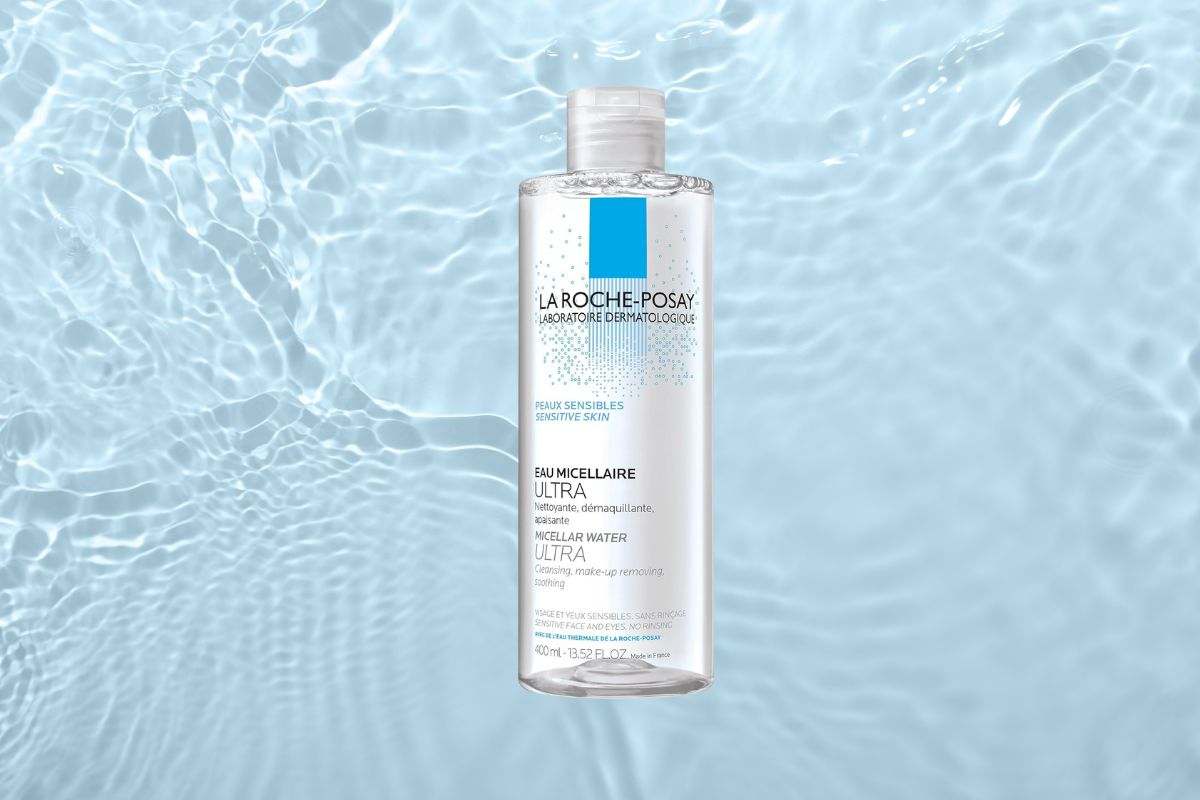
LRP is a French dermatological brand that’s been around since the 1970s. Everything they make uses thermal spring water from a spa town in France that happens to be naturally rich in selenium, an antioxidant that helps calm reactive skin. That’s not just marketing — it’s the actual formulation base.
Their Effaclar line is the one relevant to this conversation. Specifically:
Effaclar Duo (+) is the standout. It has niacinamide (reduces redness and regulates oil), LHA (a gentler relative of salicylic acid that exfoliates inside the pore without stripping the surface), and zinc PCA for oil control. It’s strong enough to actually do something, gentle enough not to wreck your face in week one.
Effaclar Medicated Gel Cleanser has 2% salicylic acid. The important thing: the formula around the SA is actually gentle, which is rare for a medicated cleanser. Most SA cleansers at this concentration feel like washing with acetone.
Effaclar Mat is worth mentioning for students specifically — it controls shine across a full lecture day without feeling tight or congested.
Then there’s the Adapalene Gel 0.1%, which is a bigger deal than it sounds. Adapalene is a retinoid — the same class of ingredient dermatologists have prescribed for acne for 30+ years. It’s now available over the counter in Canada, and LRP’s version is fragrance-free, well-formulated, and around $30–$38 CAD. If your acne is persistent and you haven’t tried a retinoid, this is worth more attention than any cleanser.
One more: the Toleriane line isn’t an acne product, but if your acne routine has wrecked your barrier (dry patches next to oily patches, stinging when you apply things), Toleriane cleanser and moisturiser will help you reset without making breakouts worse.
This brand is for you if: You’ve tried “strong” acne products before and they made things worse — more redness, more peeling, more breakouts. Or if your acne shows up alongside dry or sensitive patches.
Neutrogena: legitimately good, but not consistent across the line
Neutrogena has been in every Canadian drugstore since before most college students were born. It’s owned by Johnson & Johnson, it’s everywhere, and it’s roughly half the price of LRP for comparable product types.
The genuinely useful products:
Oil-Free Acne Wash (2% salicylic acid) is a reliable, inexpensive daily cleanser for mild to moderate acne. Not complicated. Works.
Rapid Clear Stubborn Acne Cleanser has 10% benzoyl peroxide — that’s a high concentration, and benzoyl peroxide kills Cutibacterium acnes, the bacteria most responsible for inflammatory pimples. It’s more drying than SA, but for red, painful breakouts (not just blackheads), it’s genuinely more effective.
Hydro Boost Water Gel isn’t an acne product, but it’s worth knowing about — lightweight, hyaluronic acid-based, non-comedogenic, about $18 CAD at Shoppers. When your actives are drying your face out, this is the kind of moisturiser that doesn’t make you break out more.
The caveat: Neutrogena’s range is wide and inconsistent. Some older formulas have denatured alcohol or synthetic fragrance sitting pretty high in the ingredient list. Those ingredients irritate acne-prone skin, and the front-of-bottle claims won’t tell you that. You have to read the actual INCI list. Apps like INCI Decoder or Yuka make this easier.
This brand is for you if: Your skin is oily without being particularly reactive, your acne is moderate and not stubborn, and you need something you can grab at any Walmart in Canada without planning ahead.
The real comparison: price, ingredients, and where to actually buy these in Canada
| La Roche-Posay | Neutrogena | |
|---|---|---|
| Daily cleanser | $20–$24 CAD | $10–$14 CAD |
| Moisturiser | $28–$38 CAD | $16–$22 CAD |
| Acne treatment | $30–$40 CAD | $14–$20 CAD |
| Where to buy | Shoppers, Pharmaprix, pharmacies | Shoppers, Walmart, Costco, Loblaws, Rexall |
| Sensitive skin suitability | Very high | Varies by product |
| Fragrance-free consistency | High across line | Inconsistent |
The price gap is real — LRP runs 40–60% more expensive product for product. On a student budget, that adds up. But you also don’t need a full routine from either brand. A lot of people use LRP’s Effaclar Duo as their one treatment product and budget Neutrogena for their cleanser and moisturiser. That’s not a compromise — that’s smart.
The mistakes that kill your results (regardless of which brand you pick)
Using too many actives at once. If you’re using adapalene at night, skip the salicylic acid toner, the exfoliating serum, and the vitamin C. Your skin cannot handle all of that. Pick one or two actives and give them 8–12 weeks.
Washing too aggressively. An SA cleanser twice a day plus a BP spot treatment plus a toner is a barrier-destruction routine. Stripped skin overproduces oil. More oil, more breakouts.
Skipping moisturiser on oily skin. Oily skin that’s dehydrated still needs moisture — it just needs the right kind. Non-comedogenic, lightweight, unfragranced. If you skip it entirely, your skin compensates with more sebum.
Expecting fast results. Both brands’ products need 6–12 weeks to actually show what they can do. If you’re swapping products every 2–3 weeks, you’re not giving anything a real chance. Pick one routine, stick to it.
Who should actually pick which brand
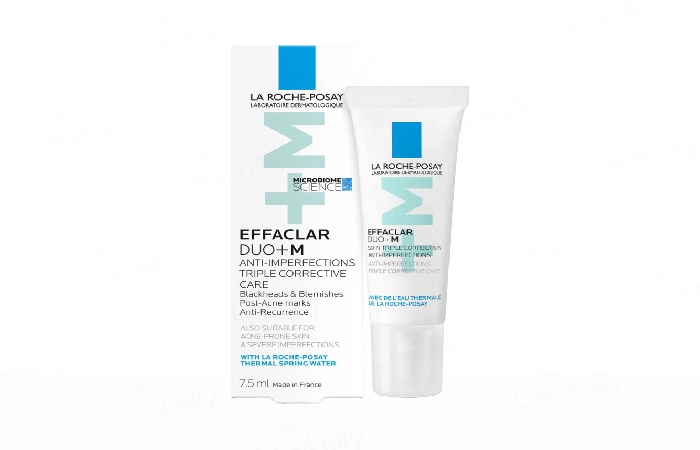
La Roche-Posay: Your skin reacts badly to most products. Previous acne washes made you peel or break out more. Your acne is accompanied by redness or dryness. You want OTC adapalene without seeing a doctor first.
Neutrogena: Oily skin with moderate acne, not particularly sensitive. You need to restock at 11pm from a Walmart. You’re trying acne products for the first time and want to test the waters without spending a lot.
Both: You want the gentle formulation of LRP for your treatment step and the accessibility/price of Neutrogena for cleanser and moisturiser. Very common, very valid.
Key Takeaways
- La Roche-Posay is the better choice for sensitive, acne-prone skin — not because of brand prestige, but because their formulas are consistently gentler and their irritant list is shorter.
- Neutrogena works, costs less, and is available everywhere in Canada. For oily, non-reactive skin with moderate acne, it’s a solid choice.
- The brand matters less than the specific product and active ingredient. Read the label.
- Keep your routine simple. One cleanser, one treatment, one moisturiser, SPF. That’s it.
- If your acne hasn’t improved after 3 months of consistent use, talk to a dermatologist — OTC products have limits.
Conclusion
Honestly, if you have acne-prone skin that’s also sensitive, La Roche-Posay is the better brand — not dramatically better, but consistently more careful in how they formulate. The Effaclar line and the adapalene gel are genuinely useful products, not just well-marketed ones.
But “better” doesn’t mean Neutrogena is bad. For oilier, less reactive skin — or when your budget’s tight and you just need something that works — Neutrogena absolutely holds up. The real answer to the question you Googled isn’t about choosing a brand. It’s about knowing your skin type, identifying one or two proven actives that match it, and giving whatever you pick enough time to actually work.
Both brands are in the running. Pick the products, not the logo.
Frequently Asked Questions
Is La Roche-Posay worth the higher price for acne-prone skin? For sensitive, reactive skin that doesn’t tolerate harsher formulas well, yes — the gentler formulation is worth paying more to avoid setbacks. For oily, non-sensitive skin, Neutrogena can deliver similar acne results for less.
Can I mix products from both brands in one routine? Absolutely. Many people use LRP for their treatment step and Neutrogena for cleanser and moisturiser. What you need to avoid is layering too many active ingredients in one routine, regardless of brand.
How long before La Roche-Posay Effaclar shows results? Expect 6–8 weeks for noticeable improvement, 12 weeks for a more complete picture. Acne products — from any brand — need time. Switching before then gives you nothing useful.
Does Neutrogena actually not clog pores? Most of their acne-targeted products are formulated to be non-comedogenic. But the line is large and inconsistent — always check the individual product’s ingredient list rather than assuming.
Salicylic acid or benzoyl peroxide — which one for acne? Salicylic acid works better for blackheads, whiteheads, and clogged pores (it exfoliates inside the pore). Benzoyl peroxide works better for red, inflamed, bacterial acne. Both brands have products with each. Pick based on your acne type, not brand loyalty.
Where to buy La Roche-Posay in Canada without paying online shipping? Shoppers Drug Mart and Pharmaprix are your best bets. Most independent pharmacies also carry the Effaclar line. It’s not at Costco or Walmart, which is genuinely one of LRP’s few practical inconveniences.
Is LRP’s adapalene the same as prescription adapalene? Yes — same 0.1% concentration, same active ingredient. The prescription version offers no formulation advantage over LRP’s OTC gel. The main difference is that you didn’t need to book a dermatologist appointment to get it.
Wikipedia reference: Acne vulgaris — Wikipedia