
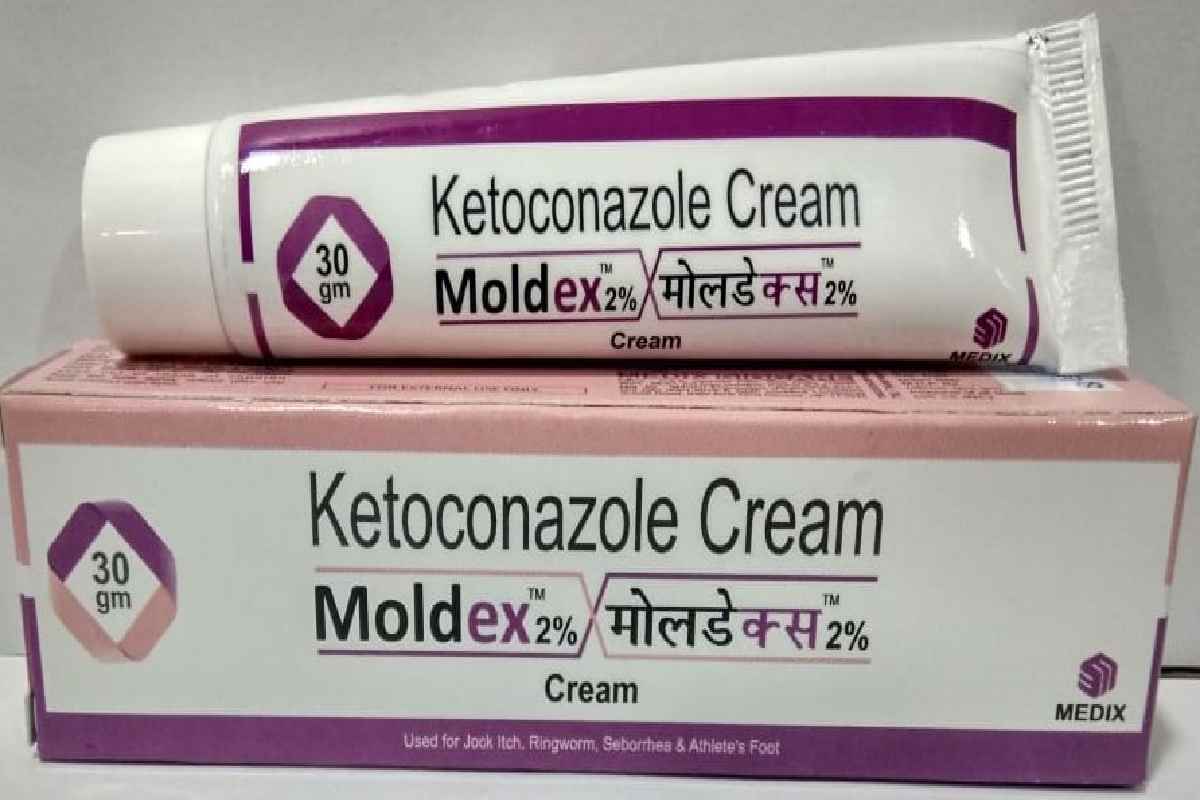
1. Introduction: The Invisible Battle Under Your Skin
Whether it is the sudden itch of athlete’s foot or the persistent flakes of dandruff, fungal infections are among the most common skin ailments we face. Most of us have a tube of cream or a bottle of medicated shampoo tucked away in our medicine cabinets, yet we rarely pause to consider the sophisticated science happening inside those containers.
Ketoconazole is a pharmacological workhorse. While it is widely known as a go-to treatment for common yeasts and fungi, it hides a complex profile that extends far beyond the surface of your scalp. By understanding the nuances of how this medication interacts with your body—and the habits that can make or break its effectiveness—you can move from simply treating symptoms to mastering your skin health.
2. It’s a “Hormone Hacker” (In High Doses)
While you likely use ketoconazole to stop an itch, in high systemic doses, it acts as a potent “hormone hacker.” Beyond its primary role in skin health, ketoconazole has the unique ability to inhibit specific enzymes in the human body, specifically those responsible for synthesizing steroids in the adrenal cortex.
By inhibiting enzymes like 17-alpha-hydroxylase and 17,20-lyase (both critical for the production of androgens like testosterone) and 21-hydroxylase (essential for synthesizing glucocorticoids like cortisol), the drug can block hormone production. This pharmacological “side effect” is actually a primary therapeutic tool in specialized medicine. For instance, it is used off-label to manage Cushing’s syndrome by lowering cortisol levels and to treat prostate cancer by decreasing the activity of testosterone and dihydrotestosterone.
“Ketoconazole works as an antifungal agent by inhibiting the cytochrome P450 14α-demethylase enzyme… it inhibits the synthesis of lanosterol, a necessary precursor for ergosterol biosynthesis. Ergosterol is needed to maintain the integrity of the membrane of fungi.” — Source: StatPearls
3. The Massive Divide Between Your Skin and Your Liver
One of the most critical things to understand about ketoconazole is the radical difference between applying it to your skin and taking it as a pill. Clinicians must perform a careful risk-benefit analysis when selecting oral forms because the body’s reaction to the drug depends entirely on the delivery method.
- Topical Application (Creams/Shampoos): Clinical data shows that when the 2% cream is applied to the skin, there are no detectable levels of the drug in the blood plasma (using an assay with a 2 ng/mL detection limit). It stays where you put it, making it significantly safer for systemic health.
- Systemic Administration (Tablets): When taken orally, ketoconazole enters the bloodstream and can cause serious side effects, including hepatotoxicity (severe liver injury) and adrenal insufficiency.
- The CNS Barrier: Notably, ketoconazole is not indicated for fungal meningitis. Even when taken systemically, the drug does not penetrate the cerebrospinal fluid to reach the brain or spinal cord.
Because of these risks, oral ketoconazole is no longer a “first-line” treatment and is typically reserved for serious infections like blastomycosis or histoplasmosis only when other treatments are not tolerated.
4. The 30-Minute Rule You’re Probably Breaking
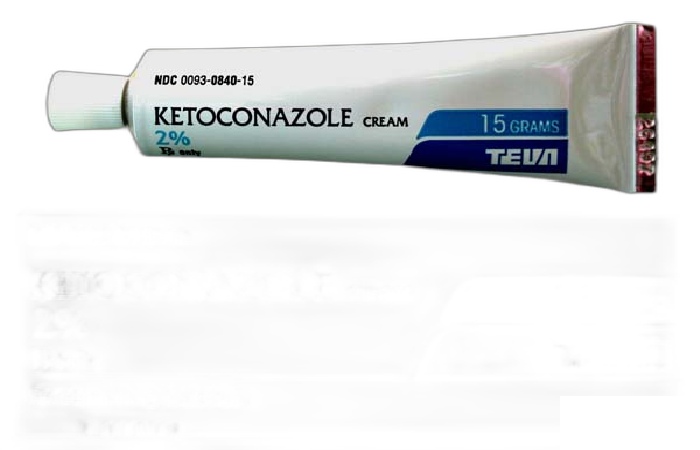
Efficacy isn’t just about the ingredient; it’s about the timing. If you use ketoconazole alongside other skin products, you might be accidentally sabotaging your treatment. Applying products too closely together can interfere with the vehicle and prevent the active medication from reaching its target.
To ensure proper absorption without interference from other topical products, follow these critical windows:
- 3 to 5 Minutes: Most medicated shampoos require this contact time before rinsing.
- Exactly 5 Minutes: For those using 2% shampoo specifically to treat Tinea Versicolor, the medication must remain in place for this full window to be effective.
- 20 Minutes: If you are using the gel form, wait at least this long before applying cosmetics, makeup, or sunscreens.
- 30 Minutes: If you use other products on the same area—such as a steroid cream for inflammation—you must wait at least half an hour after applying ketoconazole cream. This allows the antifungal to be fully absorbed into the skin first.
5. The “Sun Fungus” Recovery Lag
Tinea versicolor, often called “sun fungus,” causes light or brown spots on the skin. A surprising fact about this condition is that prescription 2% shampoo may only require a single application to kill the fungus.
However, patients are often frustrated when the spots do not vanish immediately. This is because ketoconazole kills the yeast (Malassezia furfur), but it cannot instantly restore your skin’s pigment. It may take several months for your skin color to return to its normal state as the pigment recovers naturally.
Pro-Tip: If your symptoms tend to return when you are in the sun, healthcare guidelines suggest a preventive approach: use the shampoo once a day for up to three days before your planned sun exposure to help keep the fungus at bay.
6. Fabric Matters: Why Your Socks Are Part of the Prescription
Medication can only do so much if your lifestyle is providing a sanctuary for the fungus. Fungi thrive in moist, dark environments, and the wrong fabric can act as a greenhouse for infection. To successfully treat athlete’s foot or jock itch, your wardrobe and hygiene must be part of the treatment plan.
Checklist for Success:
- Choose Cotton: Switch to 100% cotton socks and loose-fitting cotton underwear to allow the skin to breathe.
- Avoid Synthetics: Ditch wool or synthetic materials (like rayon or nylon), which trap moisture.
- Prioritize Ventilation: Wear sandals or well-ventilated shoes to keep feet cool and dry.
- Use Absorbent Powder: Apply a bland, absorbent powder (like talcum powder) to the feet, between the toes, and inside socks to maintain dryness. Use this in between your medication applications.
- The “Bone Dry” Rule: After bathing, ensure the infected area is completely dry before applying cream or dressing.
- Fresh Start: Change your cotton socks at least once a day, or more often if you sweat excessively.
7. Conclusion: A New Perspective on Skin Health
Ketoconazole is more than a simple remedy; it is a precision tool. Its success depends on an interprofessional approach to care—where the pharmacist, doctor, and patient all follow exact medical guidance. Whether it is used as a twice-weekly shampoo or as a complex metabolic regulator, its effectiveness relies on biochemical precision.
The next time you reach for that tube or bottle, remember that you are managing a delicate biological balance. Are you respecting the 30-minute window and the daily habits required to maintain your skin’s complex microbiome?
FAQ
-
What is the use of ketoconazole cream?
It treats fungal skin infections like ringworm, athlete’s foot, jock itch, seborrheic dermatitis, and tinea versicolor. -
Where can I apply ketoconazole cream?On external skin areas like the groin, feet, chest, back, armpits, and face (avoid eyes, mouth, and open wounds).
-
Is ketoconazole safe on skin?
Yes, it’s very safe when used as directed, though mild burning or redness may occur in some people. -
Does ketoconazole cream remove dark spots?
No, unless the dark spots are caused by tinea versicolor (a fungal infection), in which case treating the fungus helps them fade. -
How long does ketoconazole cream take to work?
You usually see improvement within a few days, but full treatment takes 2 to 6 weeks depending on the infection